
Biography
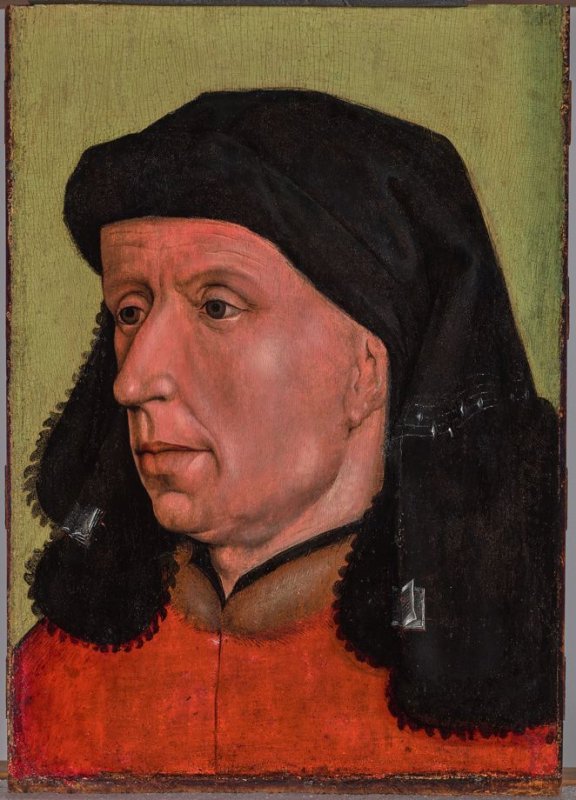
WikipediaChristopher Tye (c. 1505 – before 1573) was an English Renaissance composer and organist. Probably born in Cambridgeshire, he trained at the University of Cambridge and became the master of the choir at Ely Cathedral. He is noted as the music teacher of Edward VI and was held in high esteem for his choral music, as well as chamber works such as his 24 polyphonic In nomines. It is likely that only a small percentage of his compositional output survives, often only as fragments; his Acts of the Apostles was the only work to be published in his lifetime.
He ceased composing when he was ordained, returning to Ely Cathedral and later becoming rector of Doddington, Cambridgeshire. Today, he is perhaps best known for the hymn "Winchester Old", based on a theme from Acts of the Apostles, which forms the basis of the most commonly performed version in the United Kingdom of "While Shepherds Watched Their Flocks". Beginnings Little is known about Tye's origins. Cambridge University records for the academic year 1536–37 indicate that he received the degree of Bachelor of Music after "a study of ten years in the musical art"; from this it is supposed that Tye was born around 1505 (making him a direct contemporary of Thomas Tallis), probably in Cambridgeshire, where the family name was common and where Tye would go on to spend much of his career. For two terms in 1537 Tye is recorded among the lay clerks of the Choir of King's College, Cambridge; it was in 1536–37 that the so called "temporary" chapel (in use since the 1440s) collapsed, so Tye may well have been part of the first generation of lay clerks to sing in regular worship in the iconic King's College Chapel known today.
By 1543 Tye had taken up the position of Magister Choristarum (choirmaster) at Ely Cathedral. In 1545 the University of Cambridge awarded him the degree of Doctor of Music, and three years later the same honour was bestowed on him by the University of Oxford.
Works & Events
No recorded events found.
Gallery(1)




Are you a musician? Join Cadenza for free