News — musician-sourced classical & jazz journalism on Cadenza
News
Musician-sourced classical & jazz journalism — newest first.
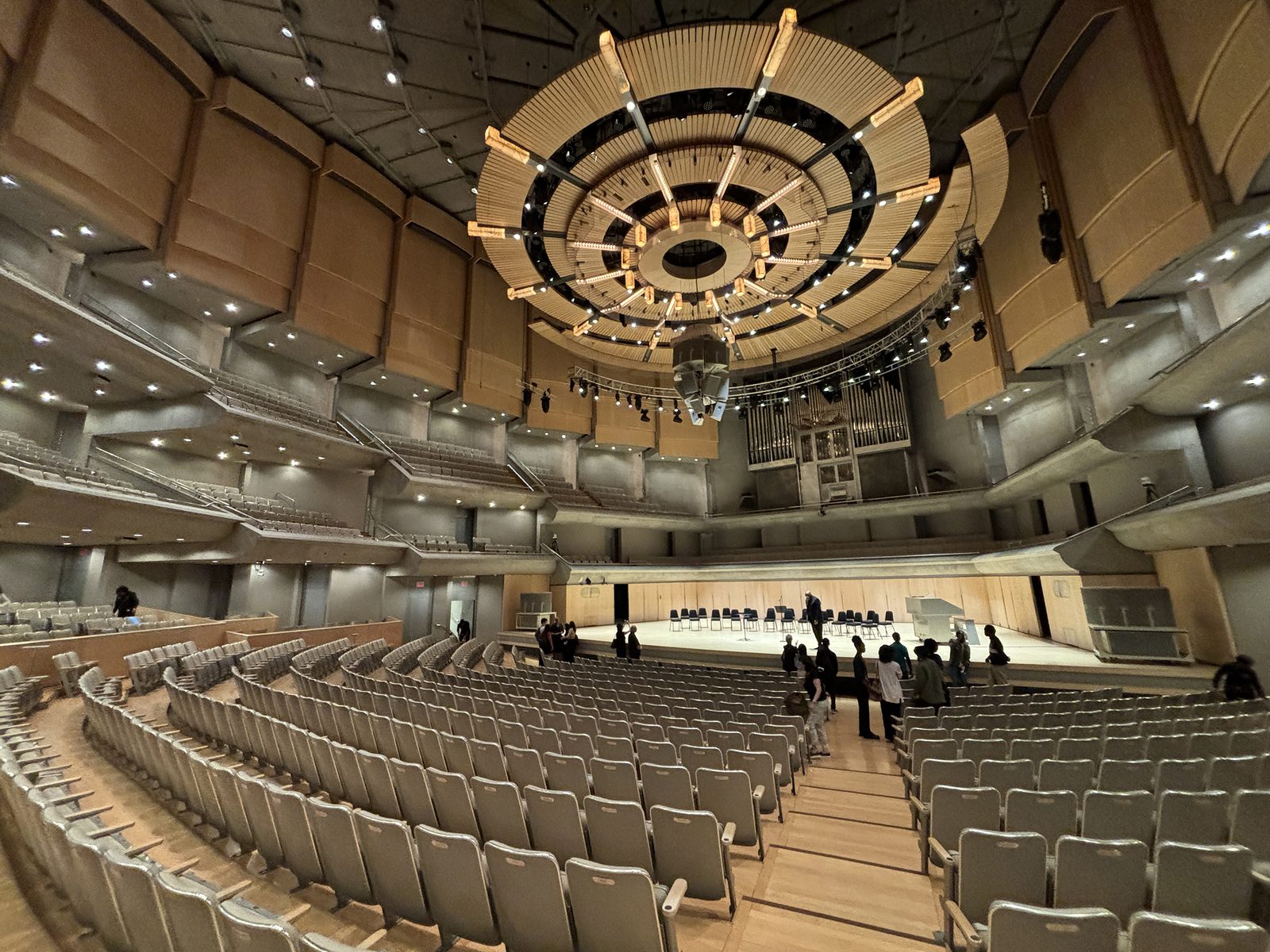
The Toronto Symphony's Single-Ticket Revenue Rose Nearly 28 Per Cent in a Year. Its Audited Surplus on $38.5 Million Was $34,253.
At its annual general meeting on 22 September 2026 the Toronto Symphony Orchestra reported a surplus for the year to 30 June 2026 and a five-year extension for its chief executive, Mark Williams, to 15 April 2032. Its audited statements show single-ticket revenue up from $8.64 million to $11.03 million, or 27.7 per cent, on total revenue of $38.5 million, and a surplus of $34,253. Here is the ledger, and what it can and cannot confirm.
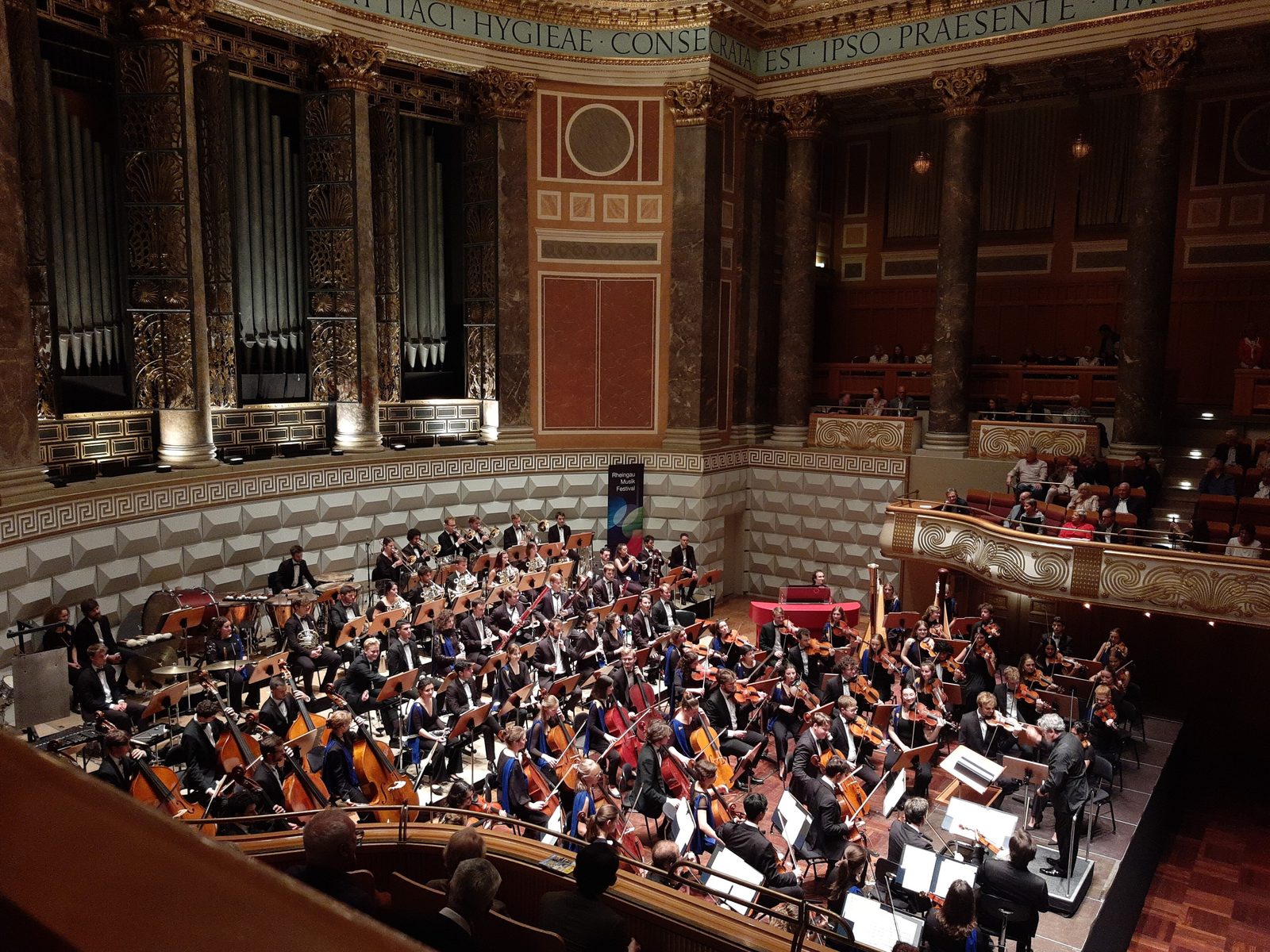
About 3,000 Young Musicians Try Every Year for 120 Places in the European Union Youth Orchestra. Twelve Countries Stop Taking Applications on 30 September. Eleven Stay Open Longer, the Last Until 10 November.
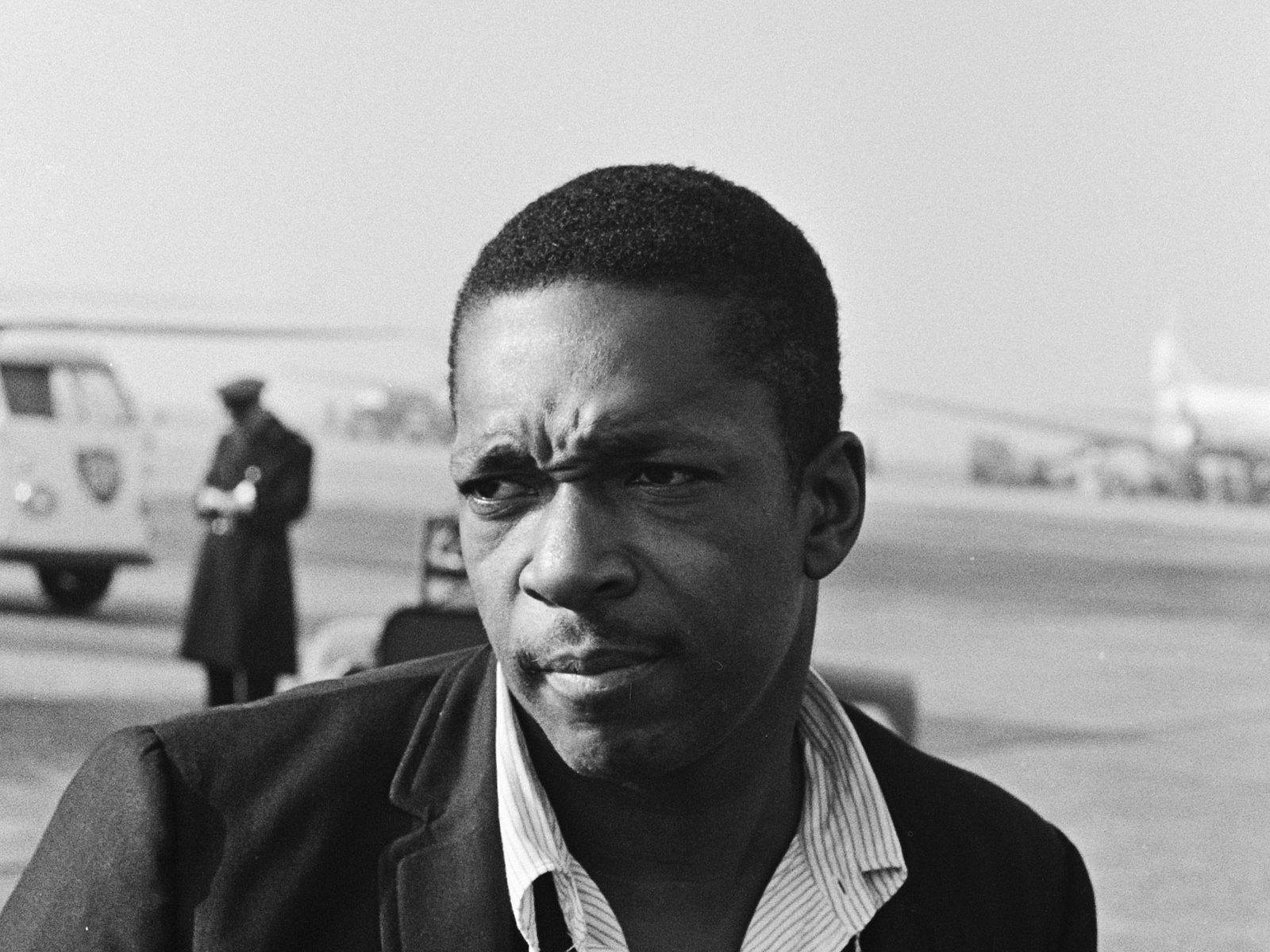
John Coltrane Would Have Turned 100 on 23 September. Monterey Heard Him Twice, Each Time a Day From His Birthday. On 26 September His Son Plays the Same Fairgrounds.
Got a story? Tips are confidential — we protect our sources.
Submit a TipSeptember 2026
21 stories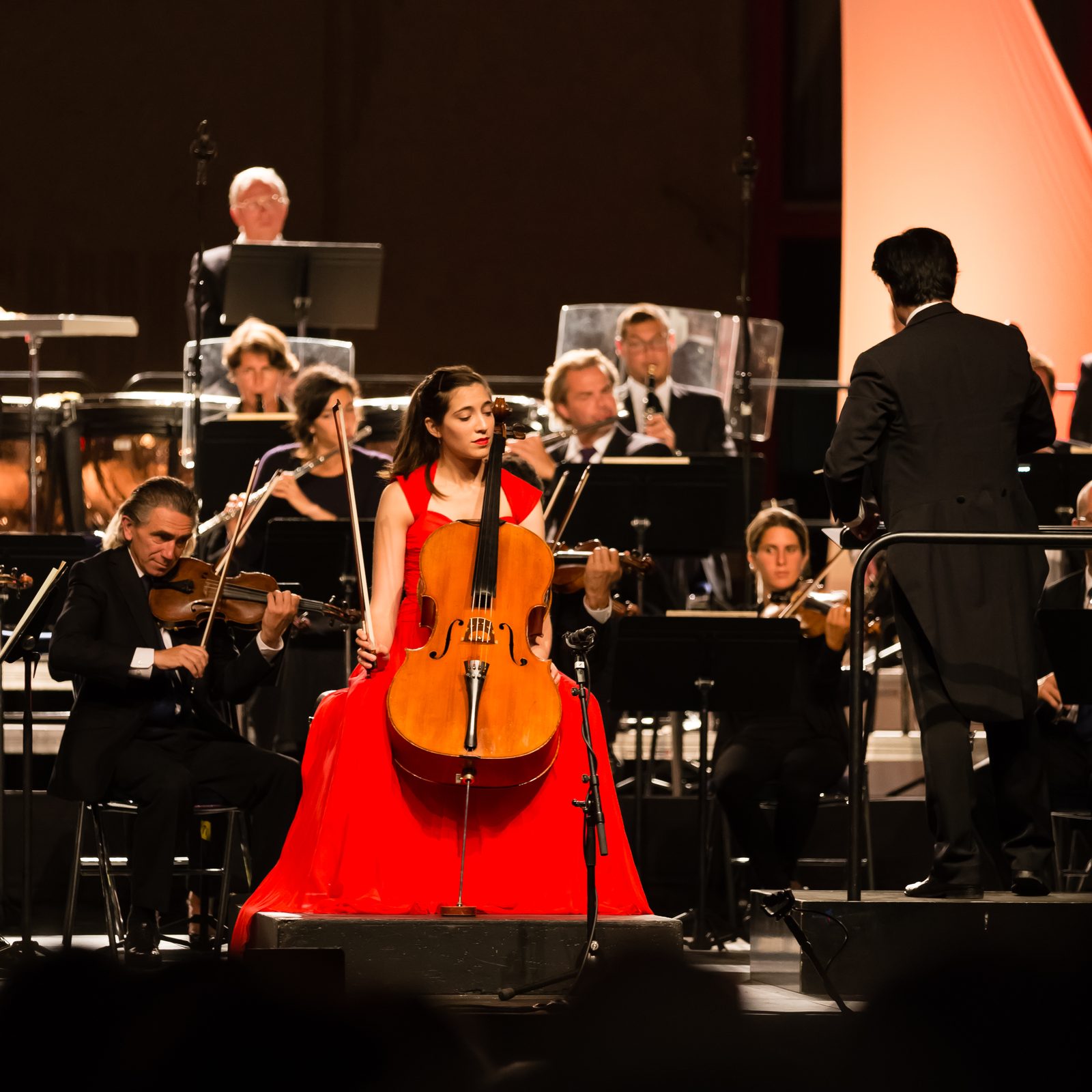
Camille Thomas Says Philip Glass Asked If She Knew His Cello Concertos. She Recorded One and Rebuilt the Other. On 24 September, Neither Was on His Ninetieth-Birthday Calendar.New
Camille Thomas's Philip Glass album for Deutsche Grammophon came out on 18 September, 135 days before the composer turns ninety. She says Glass sent her a Twitter message asking whether she knew his two cello concertos. She recorded the first and rebuilt the second from all eleven cues of his Naqoyqatsi score. As Cadenza counted it on 24 September 2026, Glass's own birthday calendar lists 112 entries, and neither cello concerto is among them.
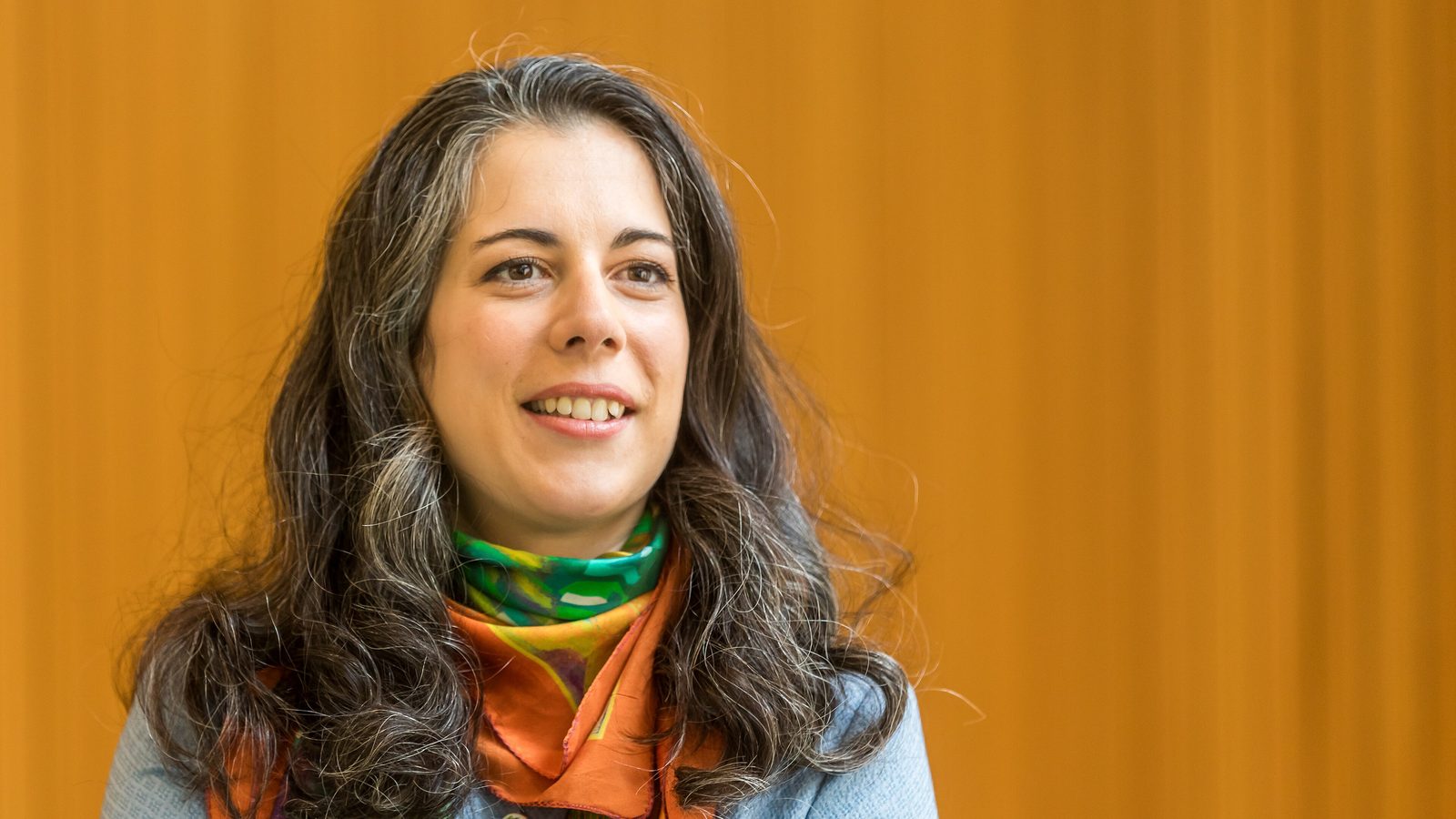
The WDR Symphony Has Had Eight Chief Conductors in Sixty-Two Years. All Eight Were Men. The Ninth Put a Composer Who Was Not Allowed to Study at the Paris Conservatoire Into Her First Concert.New
Marie Jacquot gave her inaugural concert as chief conductor of the WDR Sinfonieorchester in Cologne on 18 September, on an initial four-year contract. She put Augusta Holmès's Andromède in the middle of it. Holmès was not allowed to study at the Paris Conservatoire, published early works under a man's name, and waited about seventeen years for that piece's premiere. Cadenza counted the gap between its premiere and 18 September: 46,268 days.
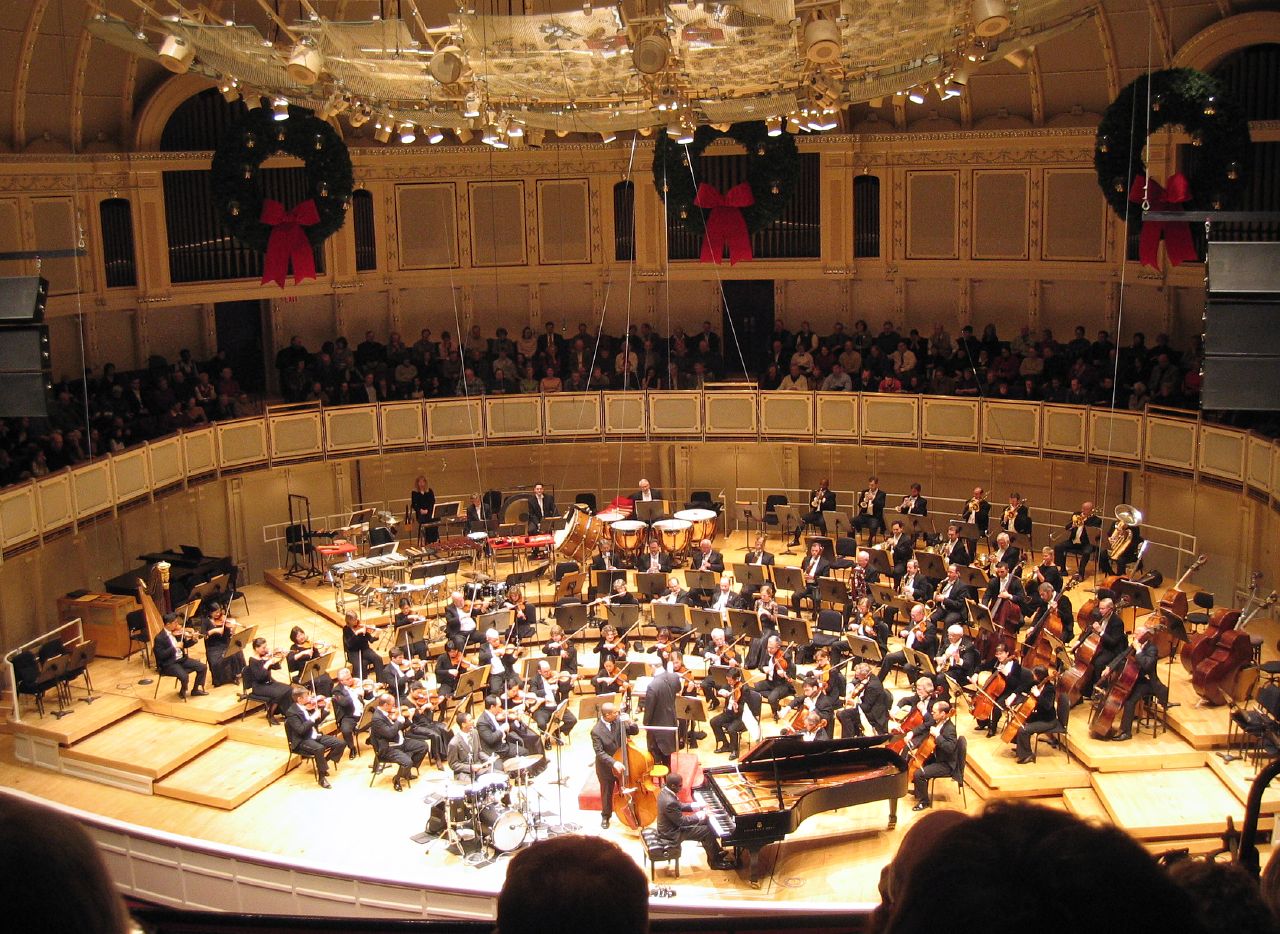
Chicago's Musicians Ratified a New Contract on 18 September. Added Up, It Is Twelve and a Half Per Cent. Compounded, It Is Thirteen.New
The Chicago Symphony and its players agreed a three-year deal with rises of 4 per cent, 4 per cent and 4.5 per cent. Added together that is 12.5. Each rise lands on a base the previous one has already lifted, so the compounded figure by year three is 13.03. In the same week, San Francisco Opera's musicians struck over a proposal that, by their own count, would have taken about 20 per cent off them in real terms.
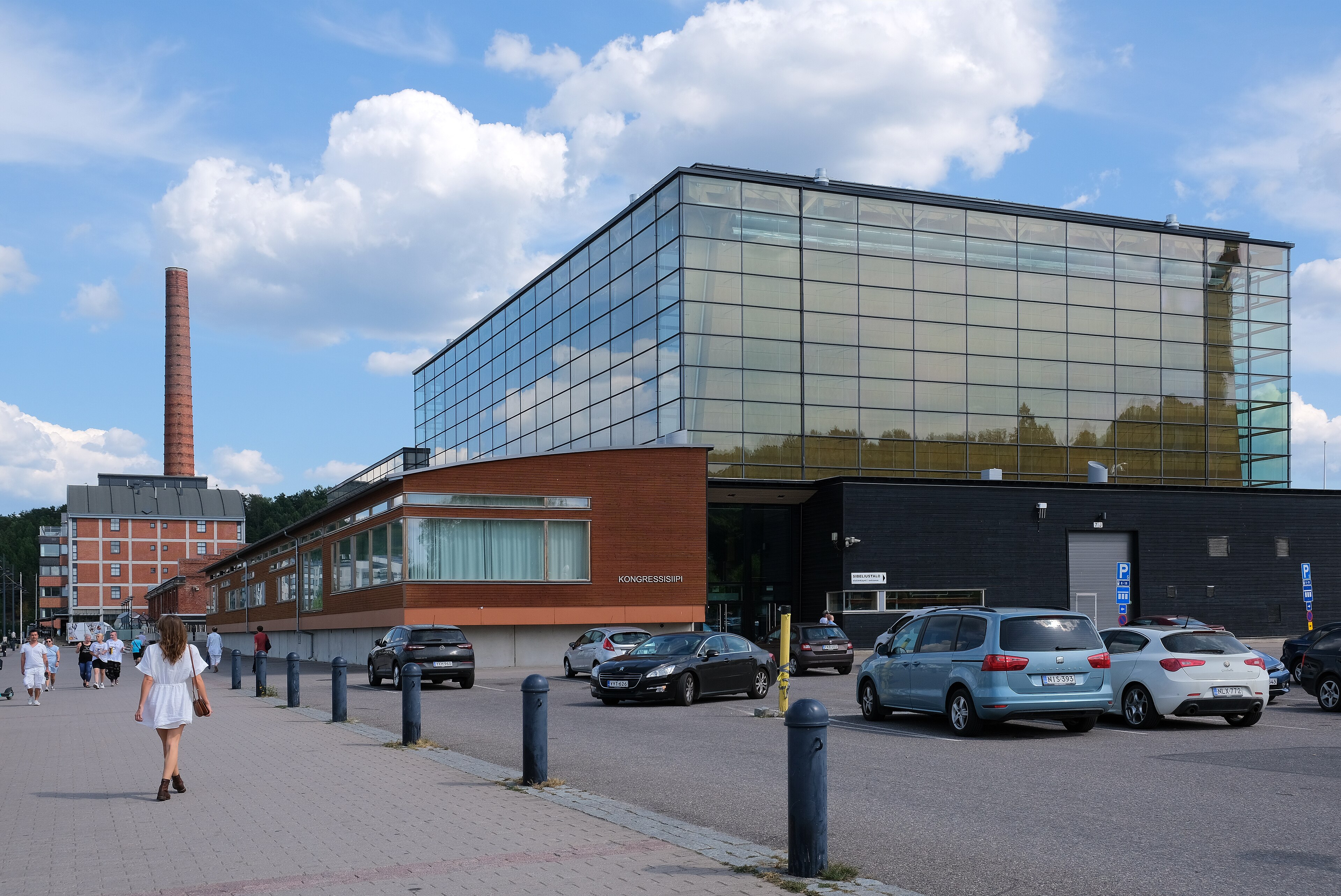
Sinfonia Lahti Names Nil Venditti, Thirty-One, Its Next Chief Conductor. Her Contract Sets a Floor of Six Performing Weeks a Year.New
Sinfonia Lahti named the Italian-Turkish conductor its next chief from the 2027-28 season, on three years with an option for two more, and a stated minimum of six performing weeks a year. That last figure is the one worth having, and Cadenza multiplied it out. From the 2027-28 season she will be the orchestra's second female chief conductor, after Dalia Stasevska.
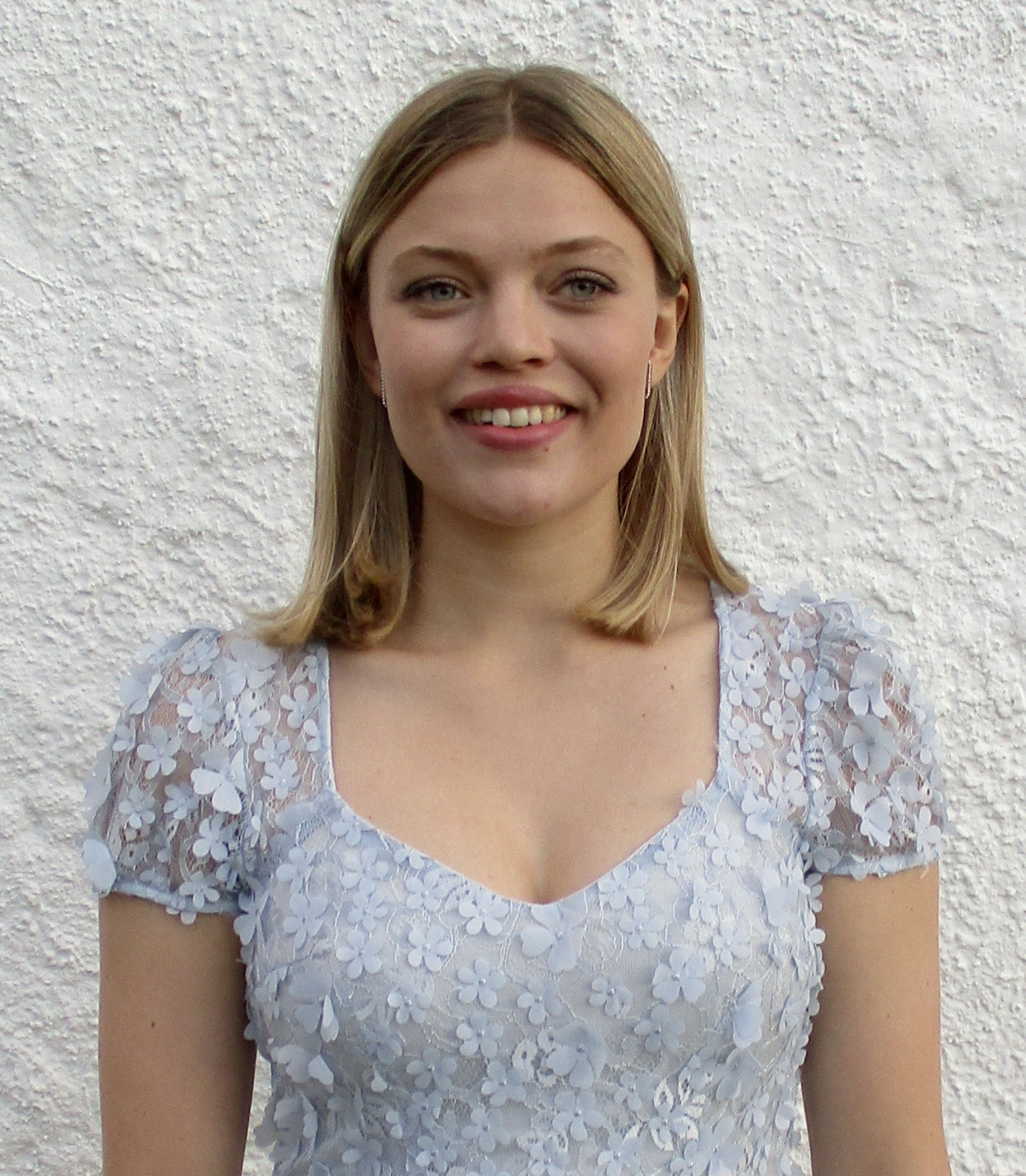
A Soprano Withdrew From the Berlin Philharmonic's Mahler Second. The Orchestra Named Her Replacement in the Same Notice, and It Is the Replacement's Debut With the Orchestra.New
Sabine Devieilhe has withdrawn for personal reasons from three Mahler Second concerts under Daniel Harding on 24 to 26 September 2026. Johanna Wallroth takes them, and the orchestra says they are her debut with the Berliner Philharmoniker. She won the Mirjam Helin Competition in Helsinki on 29 May 2019. Cadenza counted the days from that final to her first concert with the orchestra on 24 September 2026: 2,675 of them.
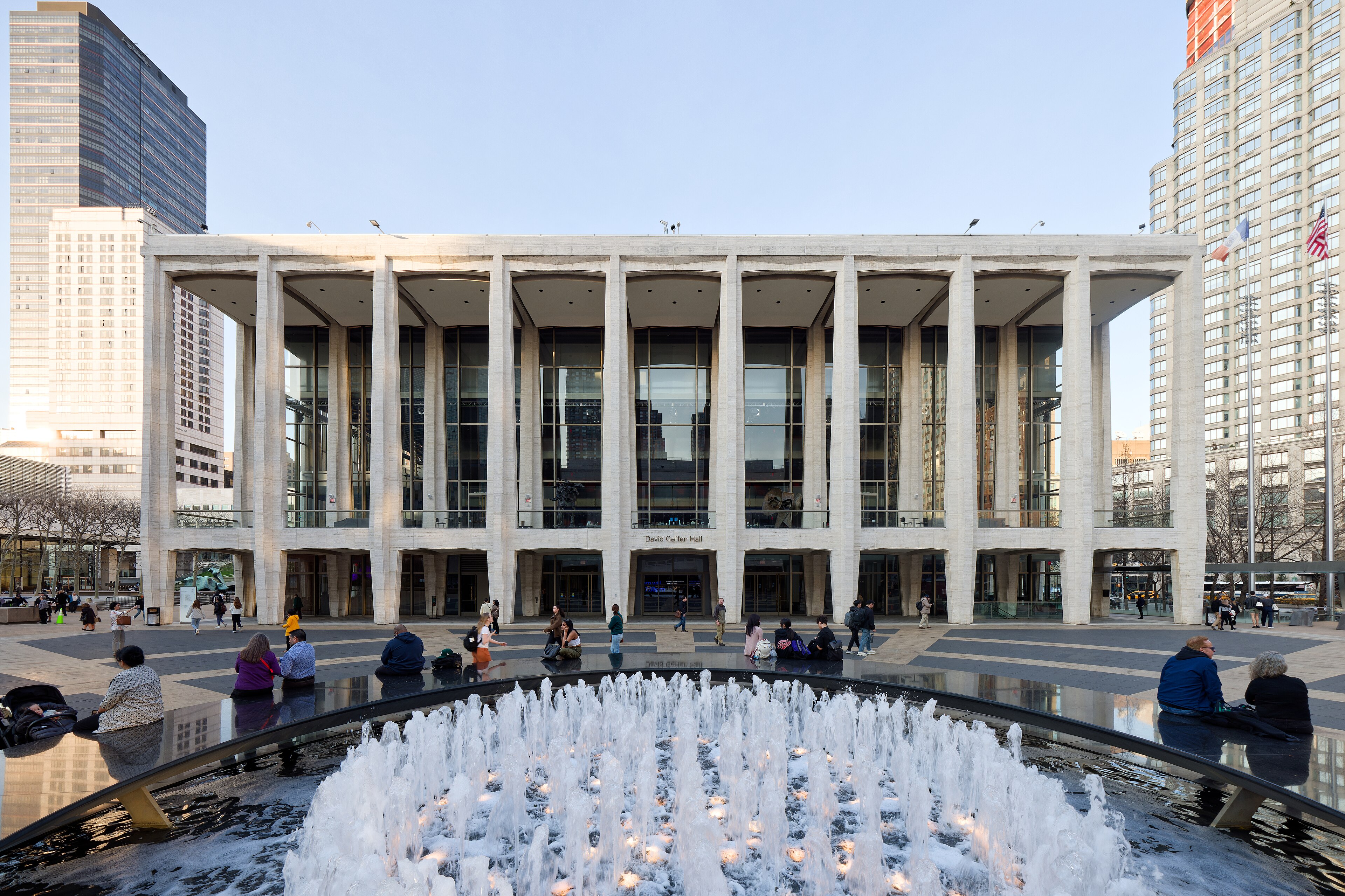
The New York Philharmonic Has a Principal Horn Again. The Chair Had Waited Eight Years, Eight Months and Twelve Days for One.New
The New York Philharmonic's appointment of David Cooper as principal horn was announced on 30 May 2026, and on 11 September Slipped Disc carried his post marking his first concert. The chair had had no permanent holder since Philip Myers was removed from the orchestra's website in September 2017, after more than 37 years in it. The orchestra's audition page for the job states a base scale of $190,698 for the 52-week 2025-26 season. Cadenza counted the gap.
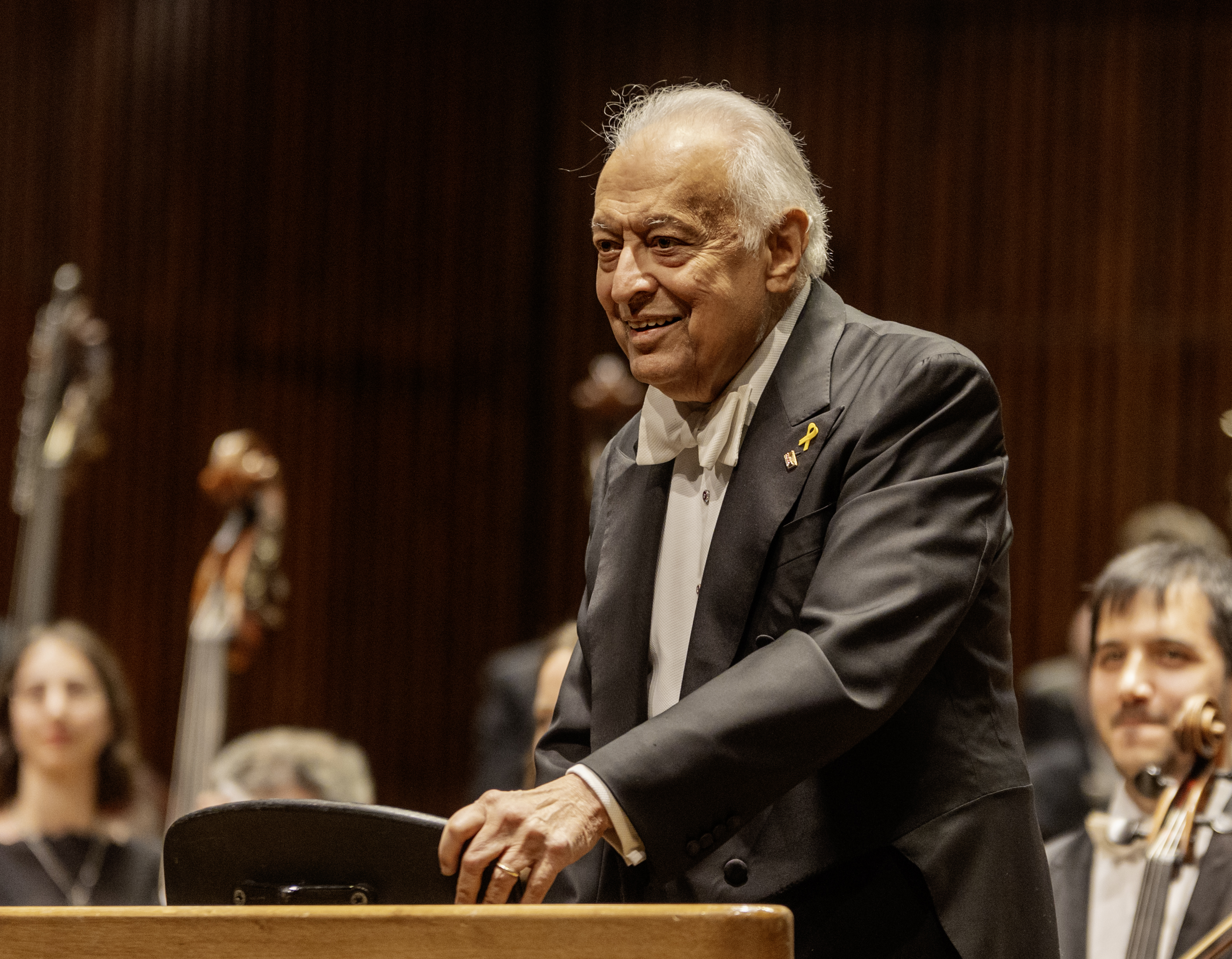
Zubin Mehta Has Withdrawn From a Mahler Second in Florence. The Conductor Taking It Over Made His Name After Mehta Cancelled in 2018.New
Mehta, 90, will not conduct the Resurrection Symphony on 26 September in the Florence auditorium that carries his name. Thomas Guggeis, already in the building rehearsing Wozzeck, takes it. In 2018 Mehta withdrew from a Berlin Salome, his replacement then withdrew too, and the 24-year-old house assistant who inherited the whole run was Guggeis. Cadenza counted the days between.
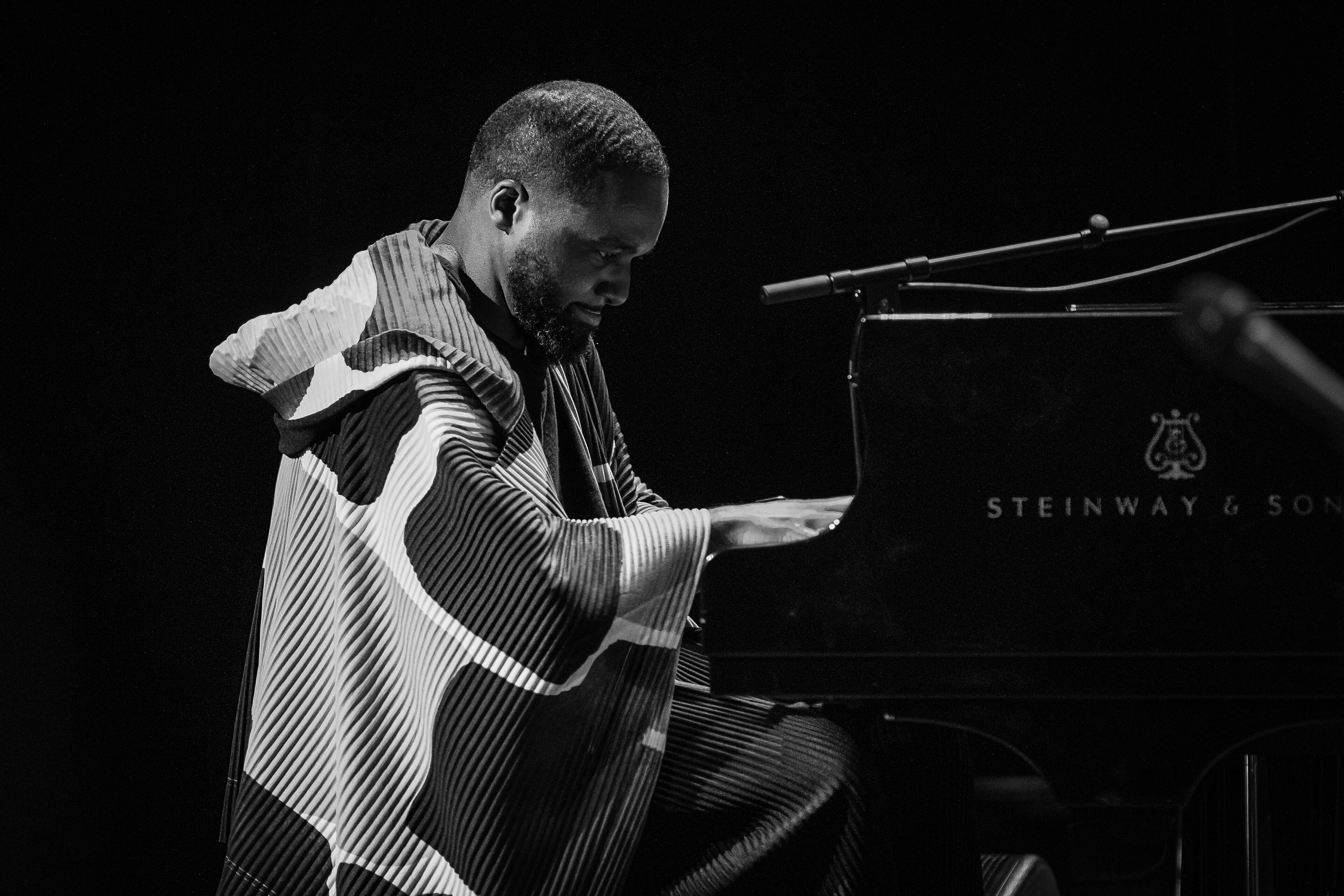
Germany's Jazz Prize Pays the Nominees Who Lose. At Least a Thousand Euros Each, Simply for Being Nominated.New
The Deutscher Jazzpreis gave 22 awards in Bremen on 25 April 2026, and its own rules put a floor of €10,000 under every prize category. The other rule is the one that matters here: a nominee who does not win is due at least €1,000, and for 2026 the prize announced €4,000. Cadenza set that against the Enescu competition, whose 756 applications carried entry fees equal, on Cadenza's arithmetic and one stated assumption, to 59 per cent of the prize money.
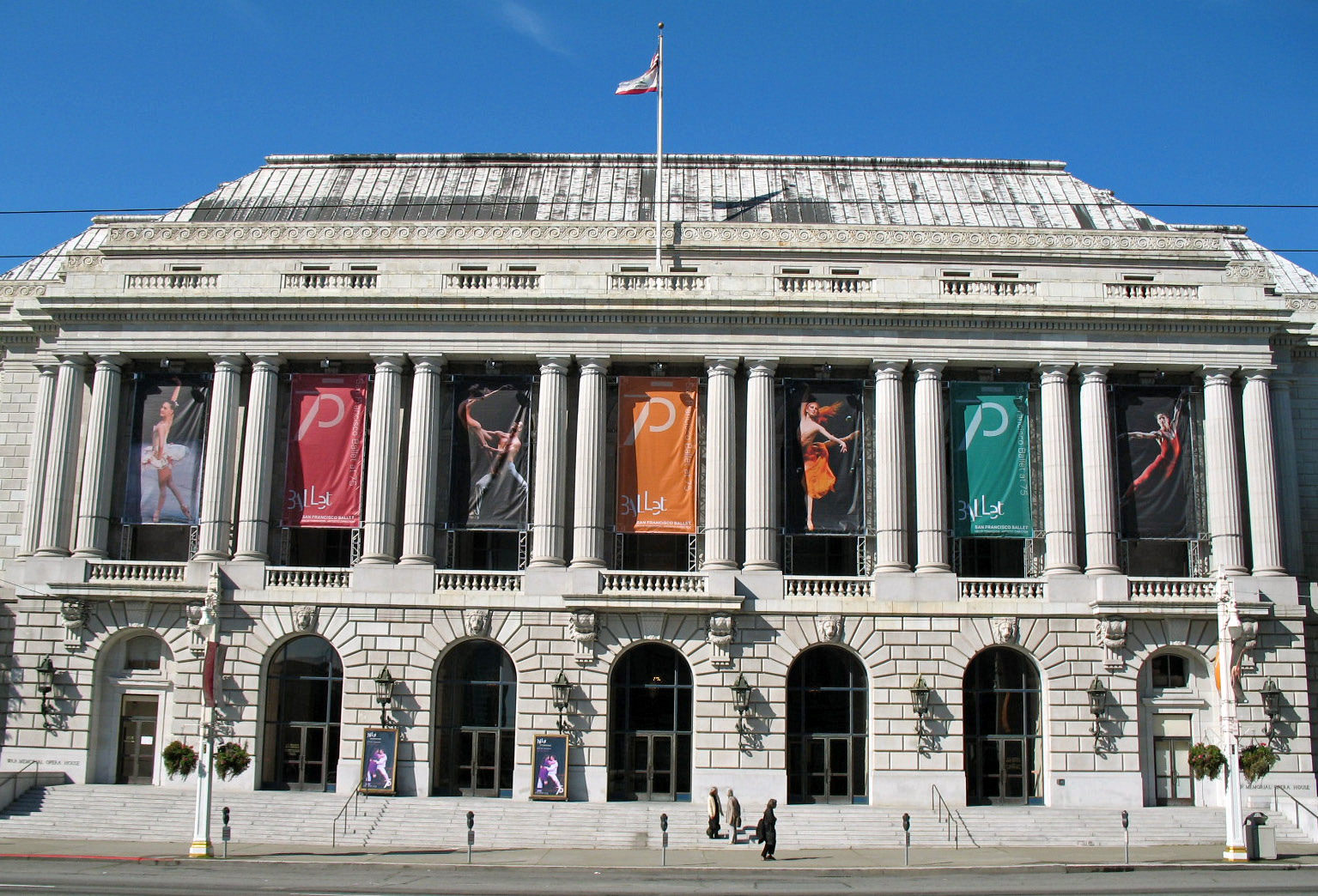
San Francisco Opera Reopened on 22 September After a Five-Day Strike. Cadenza Ran the Arithmetic on the Offer Its Musicians Turned Down.New
The San Francisco Opera Orchestra struck about half an hour before the curtain on 12 September, cancelling the season opening and four more performances. A tentative four-year contract was reached on 17 September and the house reopened on 22 September. The musicians said management's five-year wage freeze amounted to roughly a 20 per cent cut. Cadenza checked that claim rather than repeating it, and on Bay Area inflation from June 2021 to June 2026 it holds.
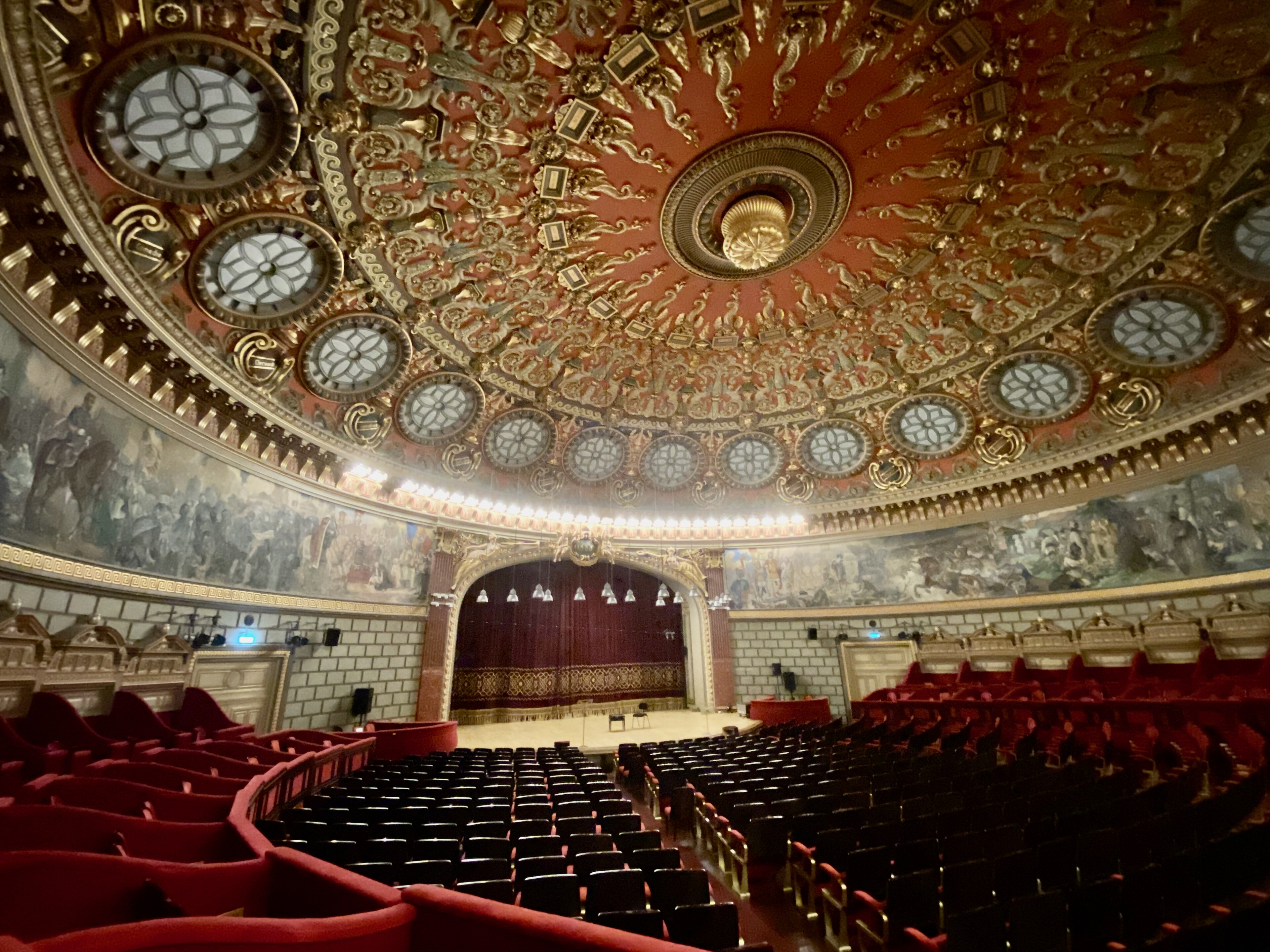
An Eleven-Year-Old Won the Enescu Violin Prize in Bucharest. He Took the Audience Award and the New-Work Prize on the Same Night.New
Jayden King of the United States won First Prize in the violin section of the 20th George Enescu International Competition on 13 September, the youngest winner in the competition's history, according to the competition. He also took the Audience Award and the prize for the best performance of the commissioned work. Francesco Papa of Italy was second and Eun Che Kim of South Korea third. Cadenza has the full result, the jury, what each finalist played and what the prizes are worth.
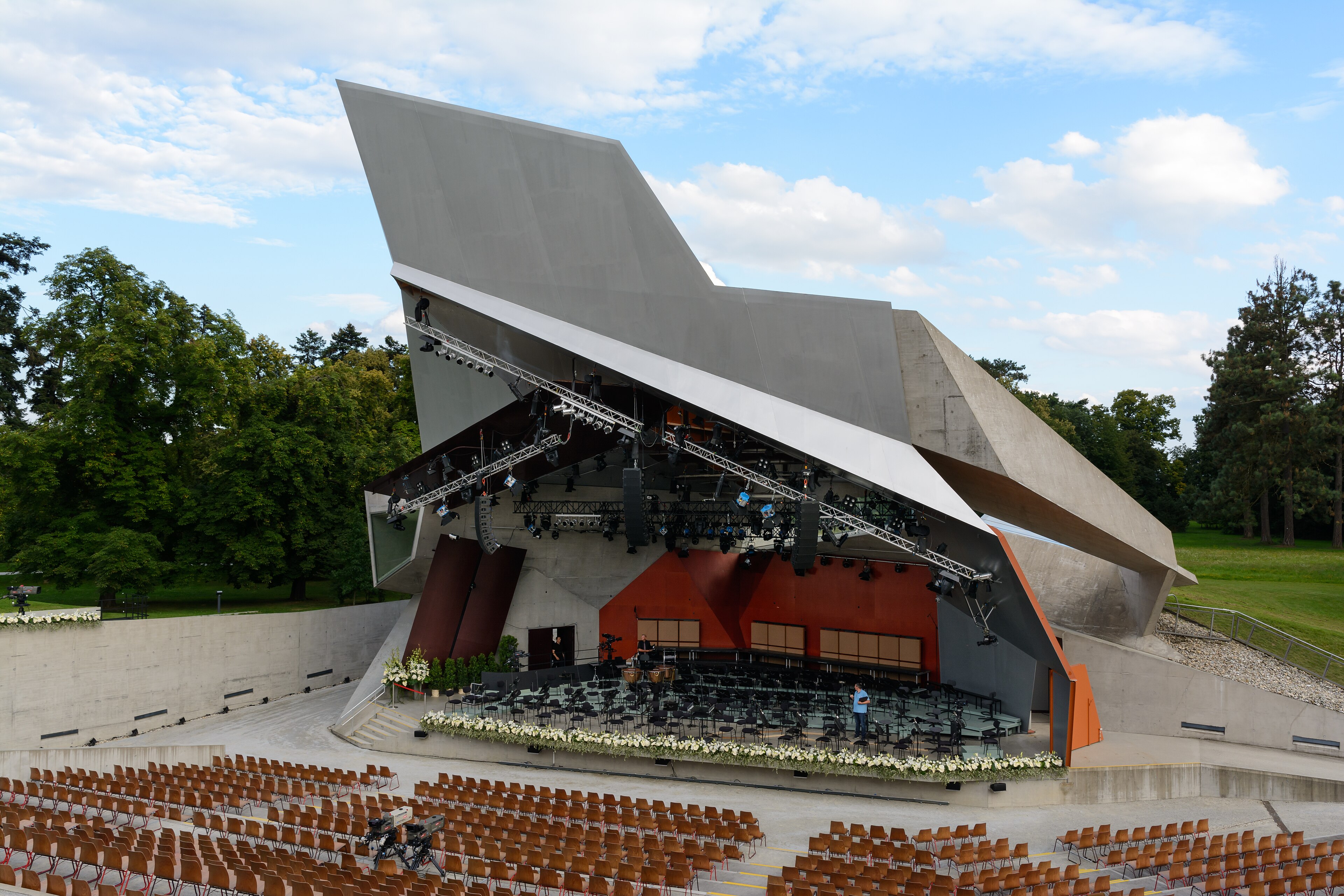
Twenty Summers, and He Finished at the Piano. Rudolf Buchbinder Said Goodbye as Grafenegg's Artistic Director on 6 September After a Season of 31 Concerts and About 48,000 Visitors, Up Every Year Since 2022.New
The twentieth Grafenegg Festival closed on the evening of 6 September with Rudolf Buchbinder playing two Mozart concertos, his farewell after twenty years as artistic director. He stays as the festival's president; the arts manager Johannes Neubert takes the artistic post on 1 October, with Steve Reich as composer in residence for 2027. The ledger of three summers, where the growth appears to have come from, and what the handover leaves open.
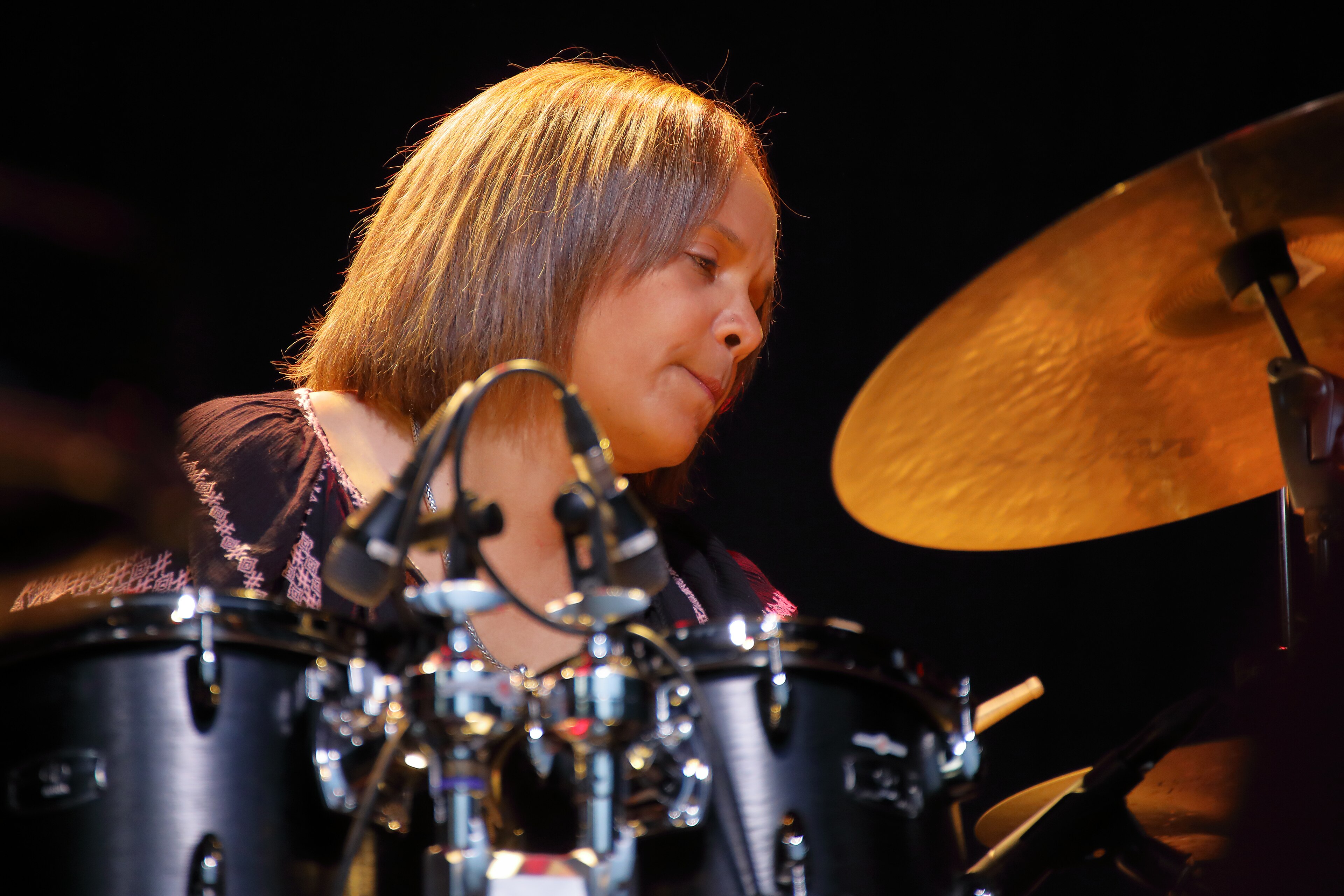
We Counted Eight Jazz Funding Schemes From 2026. Six American Programmes Alone Come to More Than $3.5 Million.
Cadenza added up the Doris Duke awards, Chamber Music America, Jazz Road, Next Jazz Legacy, the Mellon Jazz Legacies fellowships and the NEA Jazz Masters. Then Berlin and the Peter Whittingham Award in their own currencies. Most of the American money is unrestricted.
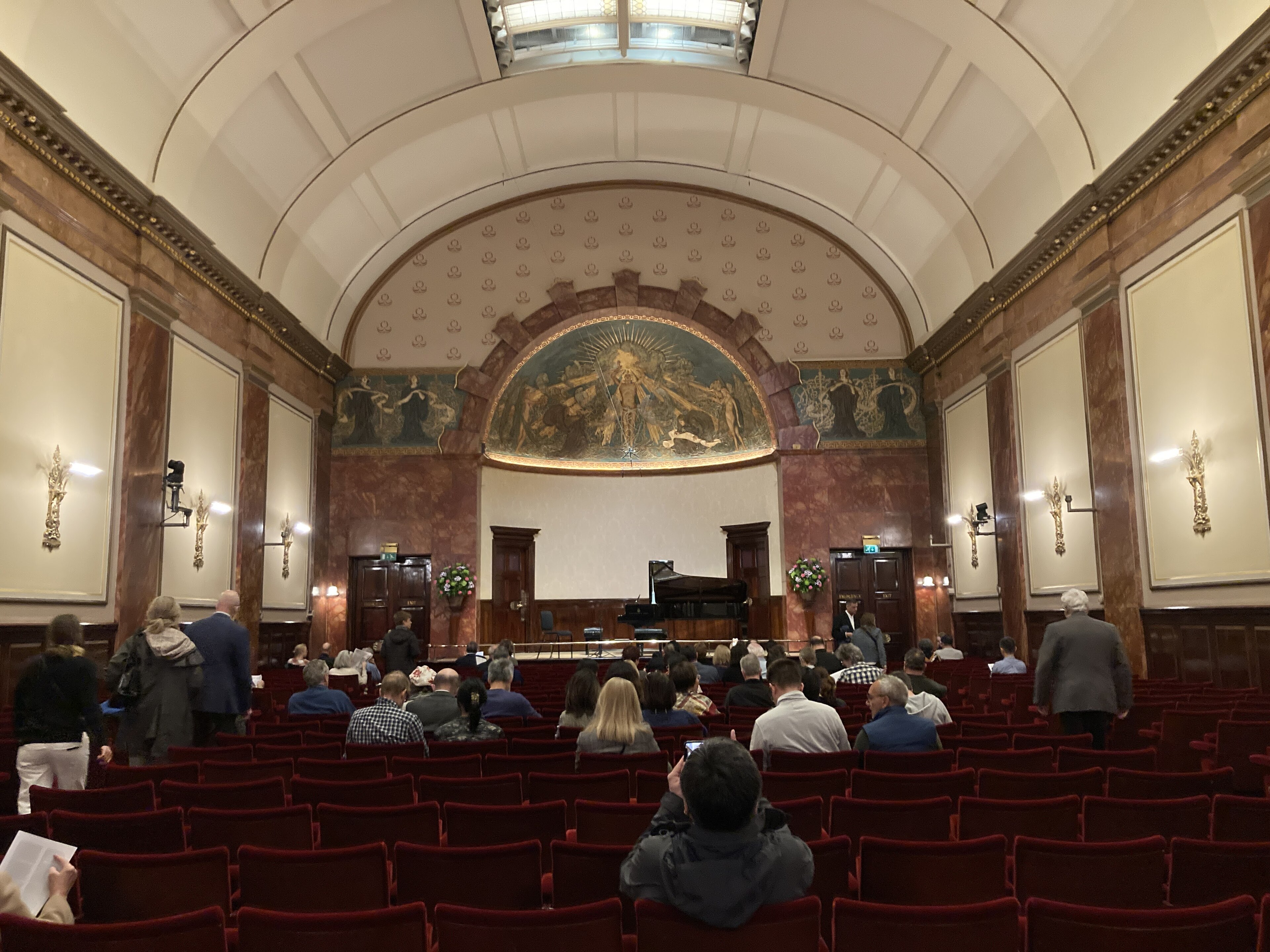
Wigmore Hall Is Giving Away More Than Five Thousand Free Tickets to Under-25s. That Covers a Third of Everything It Programmes.
From September 2026 the Hall offers more than 5,000 free tickets at more than 200 concerts to young people aged 8 to 24, and says it is introducing surtitles at vocal concerts for the first time in its history. Cadenza did the division: on the Hall's round figures, that is about twenty-five free tickets per concert at those 200 concerts, in a season of more than six hundred concerts and events.
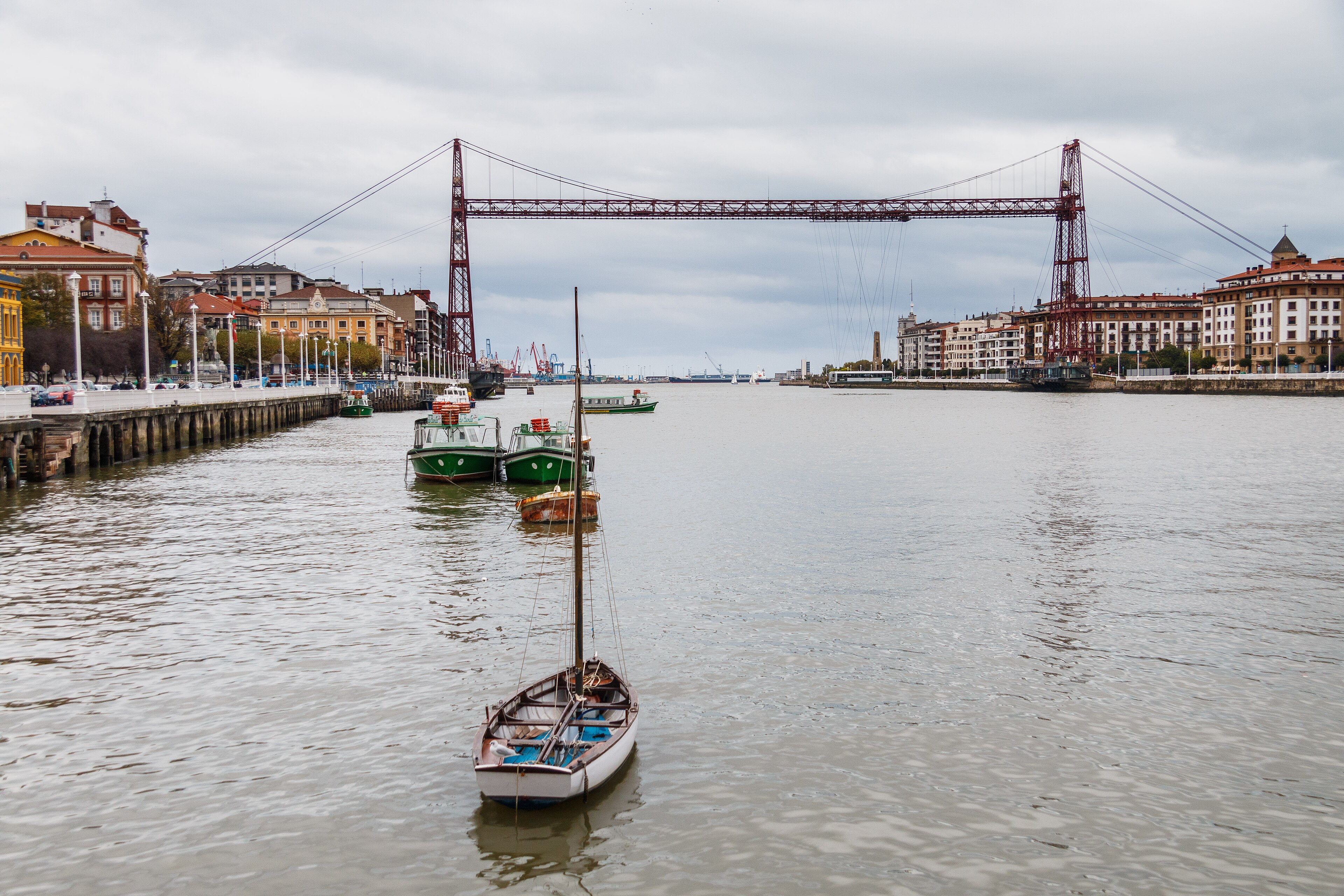
A French Sextet Won the Group Competition at Getxo and Took €4,500. Their Pianist Won Best Soloist on Top of It.
Lurium took first prize at the 49th Getxo Jazz Festival's group competition in the Basque Country, with a live CD recording attached. Levi Harvey, the band's pianist, also won Best Soloist. Cadenza adds up the three published prizes and gets €7,350, not the €6,350 total a January news report gave.
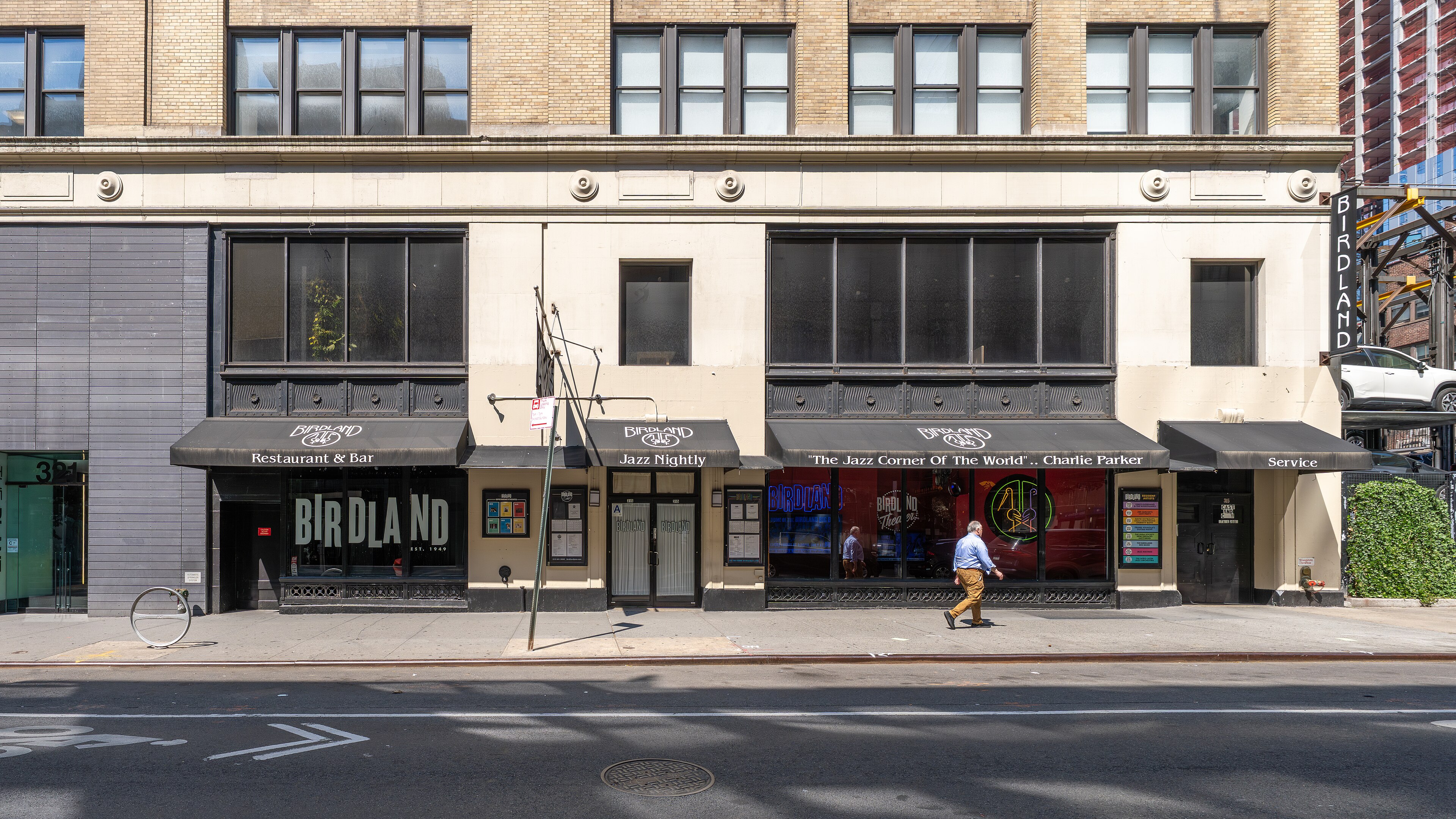
He Wrote His Debut Album Over Five Years, Some of It in Hospital or Recovery. Ten Per Cent of All Proceeds Goes to the Crohn's & Colitis Foundation.
Connor Sobieri, whom Grateful Web described as 23 in July 2026, releases First Steps on 21 October 2026, seventeen months after graduating from NYU. His own site lists Dizzy's Club, Birdland, The Appel Room and NuBlu among the venues where he has performed. He is giving a tenth of all proceeds to the Crohn's and Colitis Foundation.
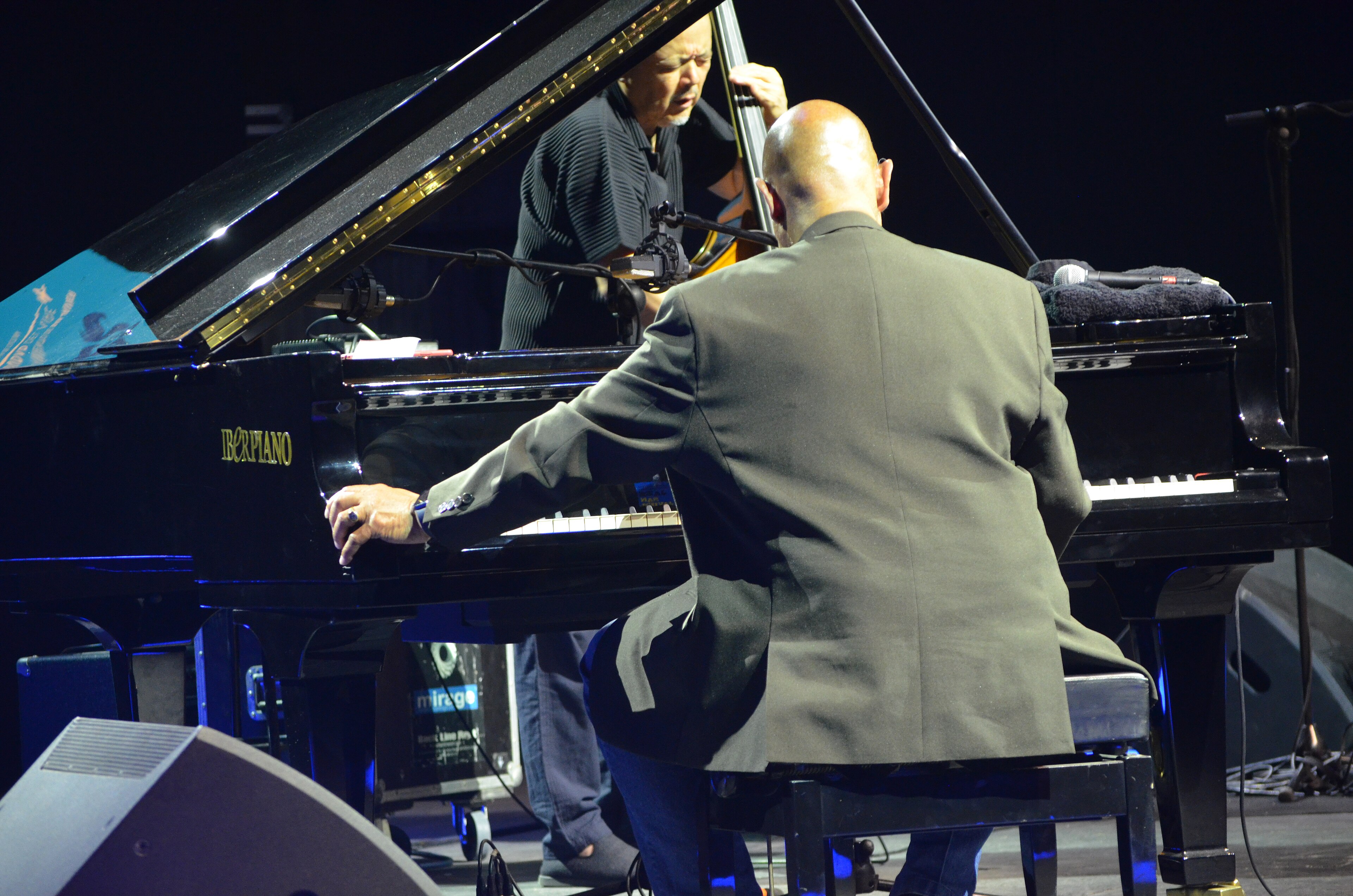
Two American Programmes Awarded $1.3 Million to Sixteen Jazz Veterans for 2026. Twelve of the Awards Were $100,000, With No Conditions.
The Mellon Foundation and the Jazz Foundation of America named twelve Jazz Legacies Fellows at $100,000 each, unrestricted. The National Endowment for the Arts named four 2026 Jazz Masters at $25,000 each and set a tribute concert for them in Los Angeles on 15 September 2026. Cadenza added it up.
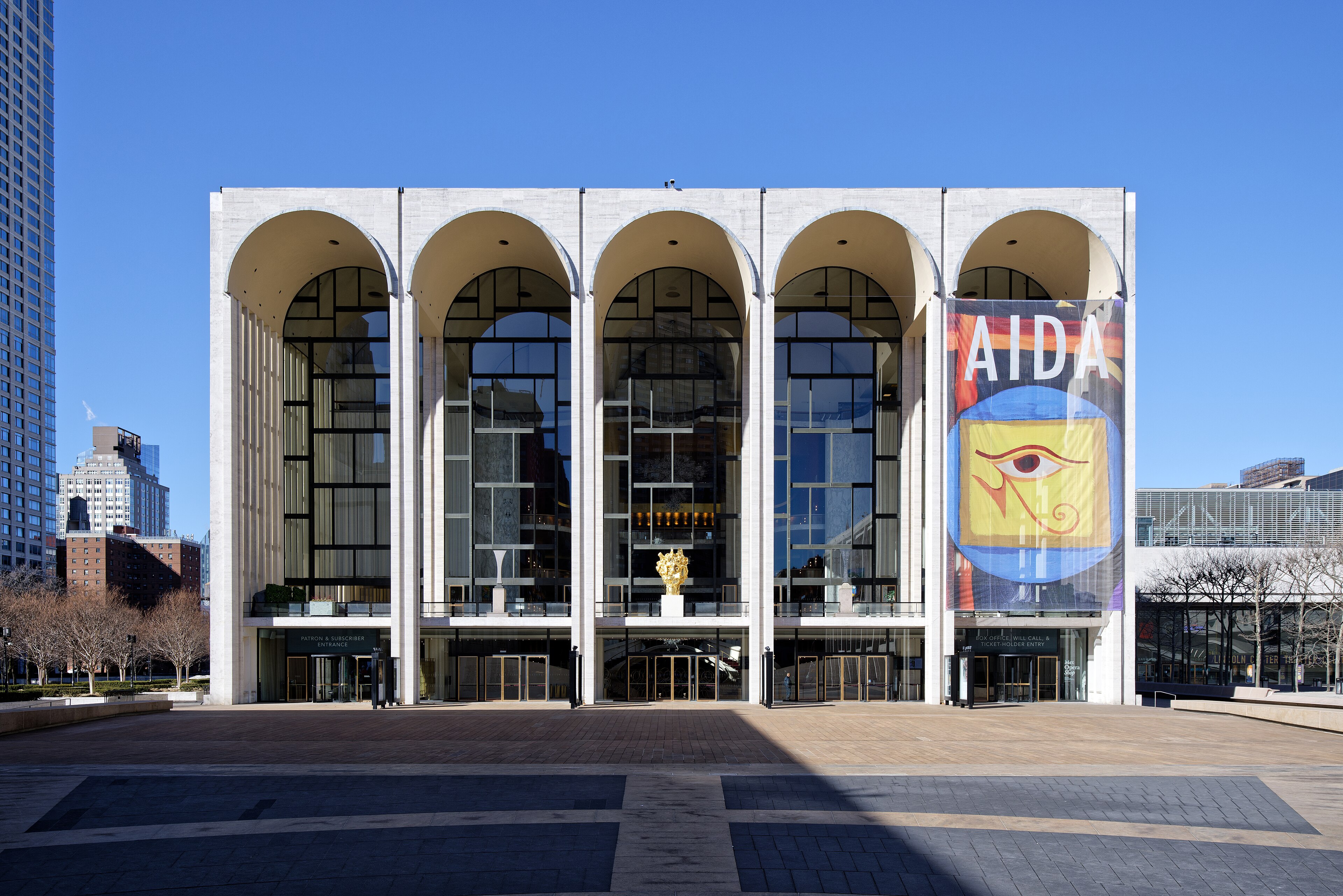
He Played Trombone in the Met Pit From 2005. On 21 September He Became Executive Director of Jazz at Lincoln Center.
Weston Sprott became Executive Director of Jazz at Lincoln Center on 21 September 2026, bringing more than seven years as Dean of Juilliard's Preparatory Division and more than twenty years in the Metropolitan Opera Orchestra. He takes one half of a leadership structure that the institution's board announced on 29 January 2026.

The First Prize in York Is a Recording Contract, Not Just Money. An Ensemble Founded in 2024 Won It.
The Lyons Mouth, formed in 2024 by singers who met at the University of York, won the 2026 York International Young Artists Competition: a Linn Records recording contract, a paid 2027 festival concert and £1,000. Four of the nine finalist ensembles were based in Switzerland.
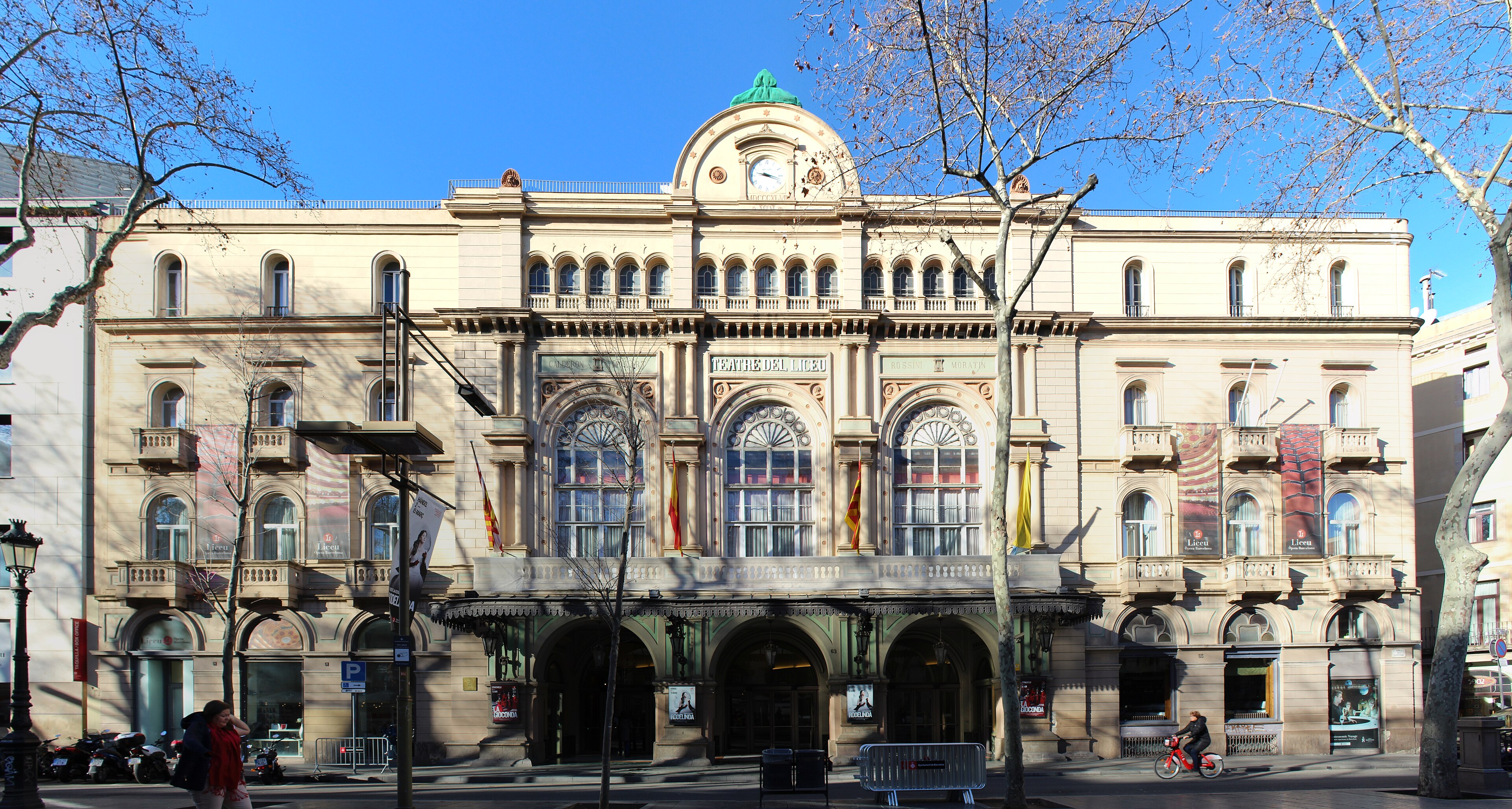
A Competition Named After a Tenor Gave Its Six Prizes to No Tenors. Ukrainian Singers Took the Top Three.
The 63rd Concurso Internacional de Canto Tenor Viñas drew a record 712 applicants from 64 countries and announced its verdict in Barcelona on 16 January. Not one of the six official laureates is a tenor. Cadenza also found the competition awarded a standalone Oratorio-Lied prize for the first time.
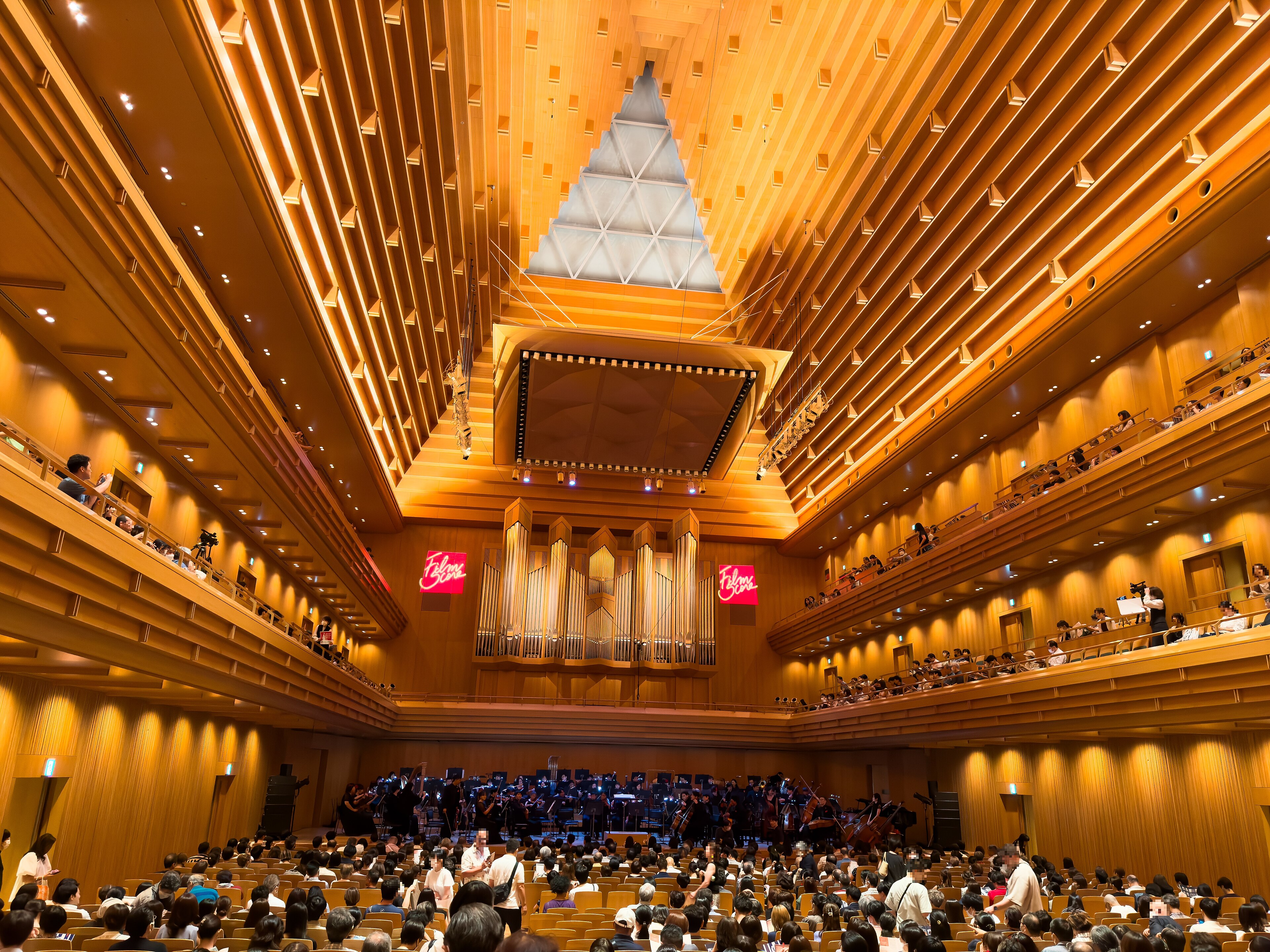
One Composer Read 112 Scores and Chose Four. That Is the Entire Judging Process of the Takemitsu Award.
Jörg Widmann was the sole judge of the 2026 Toru Takemitsu Composition Award, which drew 112 orchestral scores from 25 countries and gave ¥3,000,000 to four composers. Entry is free, the works must be unperformed, and the final concert is therefore four world premieres in one evening.
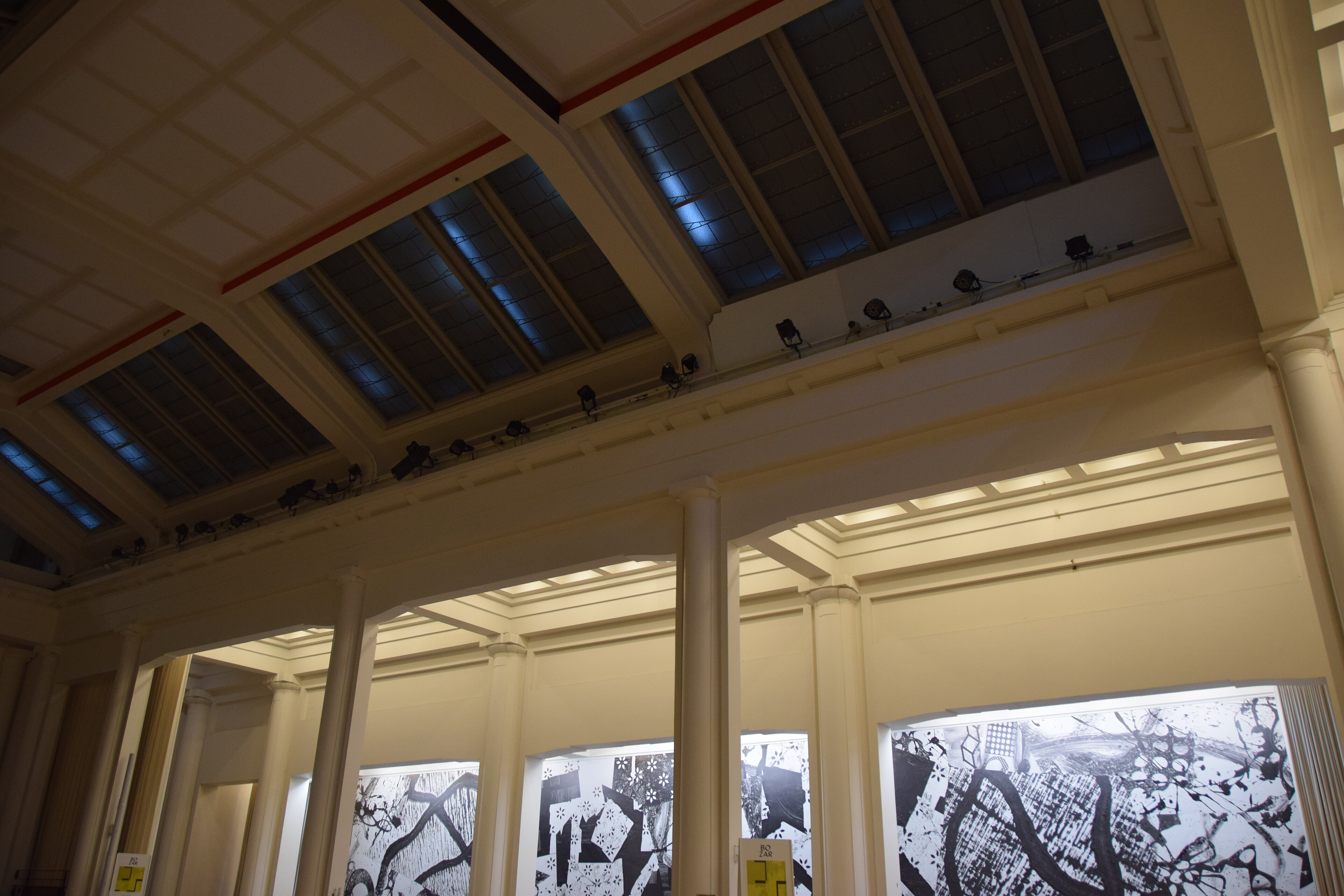
Twelve Cellists Reached the Queen Elisabeth Final. All Twelve Were Paid, and Six of Them Have No Rank at All.
Ettore Pagano, 23, won the 2026 Queen Elisabeth cello competition: EUR 25,000 and a four-year loan of the 1733 Gofriller 'Casals' cello. Cadenza added up what the other eleven finalists received, and found a prize structure built so that nobody finishes twelfth.
Free opportunities & reporting, in your inbox every week.
The week's stories plus new auditions, competitions and gigs — for classical and jazz musicians.