
Quick Facts
- Born
- 1938
- Died
- 1997
- Era
- Modern
Tags
saxophonistbandleadersinger-songwriterconductorsingercomposeractivist
Biography
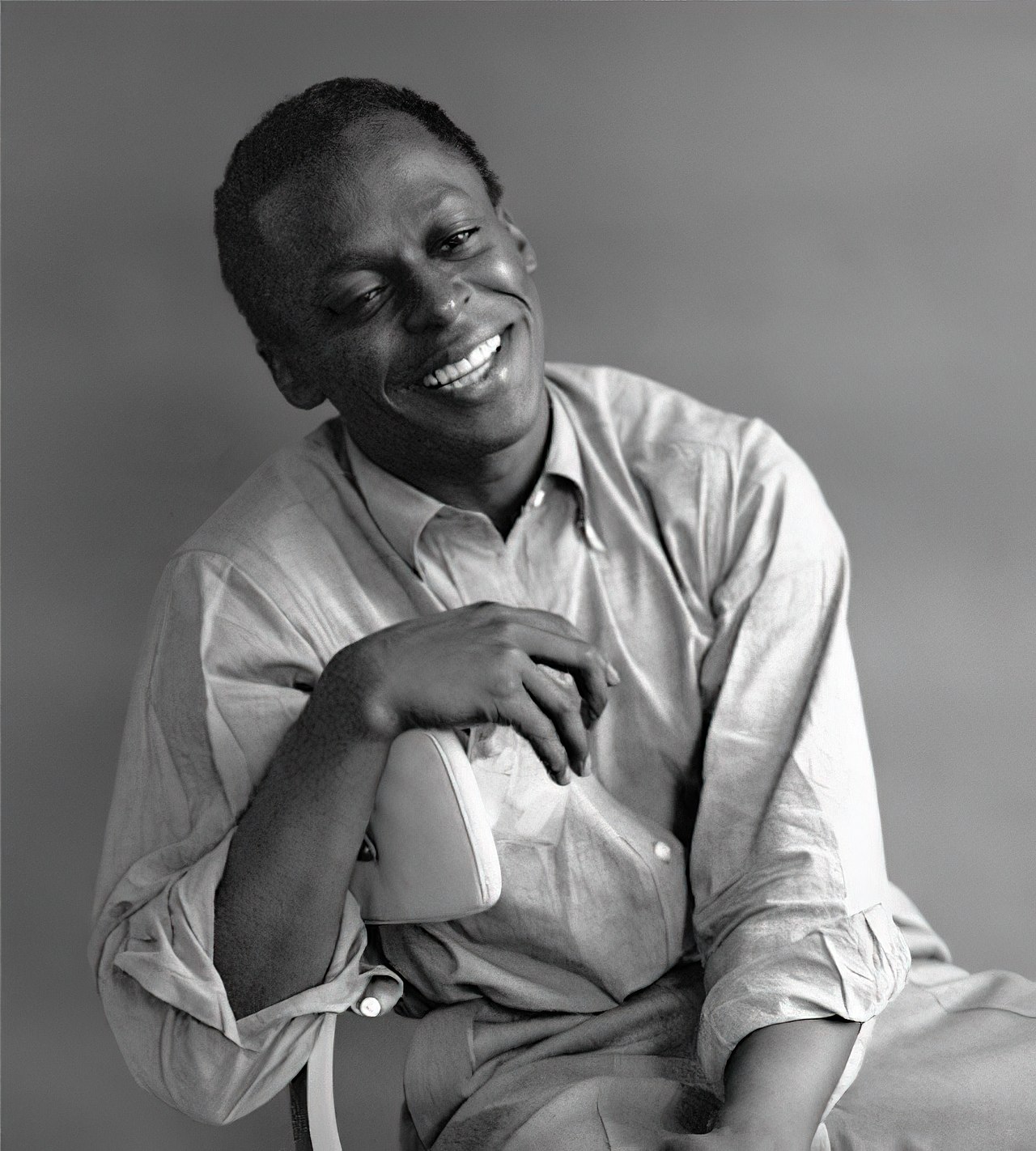
WikipediaFela Aníkúlápó Kútì was a Nigerian musician and political activist. He is regarded as the principal innovator of Afrobeat, a Nigerian music genre that combines West African music with American funk and jazz. At the height of his popularity, he was referred to as one of Africa's most "challenging and charismatic music performers". AllMusic described him as "a musical and sociopolitical voice" of international significance.
Kuti was the son of Nigerian women's rights activist Funmilayo Ransome-Kuti. After early experiences abroad, he and his band Africa '70 (featuring drummer and musical director Tony Allen) shot to stardom in Nigeria during the 1970s, during which Kuti was an outspoken critic and target of Nigeria's military juntas. In 1970, he founded the Kalakuta Republic commune, which declared itself independent from military rule. The commune was destroyed in a 1978 army raid that injured Kuti and his mother, the latter fatally. He was jailed by the government of Muhammadu Buhari in 1984, but released after 20 months. Kuti continued to record and perform through the 1980s and 1990s. Since his death in 1997, reissues and compilations of his music have been overseen by his son, Femi Kuti. Life and career Early life Kuti was born into the Ransome-Kuti family, an upper-middle-class family, on 15 October 1938, in Abeokuta, Colonial Nigeria. His mother, Funmilayo Ransome-Kuti, was an anti-colonial feminist, and his father, Israel Oludotun Ransome-Kuti was an Anglican minister, school principal, and the first president of the Nigeria Union of Teachers. Kuti's parents both played active roles in the anti-colonial movement in Nigeria, most notably the Abeokuta Women's Riots which were led by his mother in 1946. His brothers Beko Ransome-Kuti and Olikoye Ransome-Kuti, both medical doctors, were well known nationally. Kuti is a cousin to the writer and fellow activist Wole Soyinka, a Nobel Prize for Literature winner.
Works & Events
1938
Birth of Fela Kuti
birth
Derived from Wikidata date of birth (P569).
1997
Death of Fela Kuti
death
Derived from Wikidata date of death (P570).
Gallery(2)

Quick Facts
- Born
- 1938
- Died
- 1997
- Era
- Modern
Tags
saxophonistbandleadersinger-songwriterconductorsingercomposeractivist



Are you a musician? Join Cadenza for free