
Biography
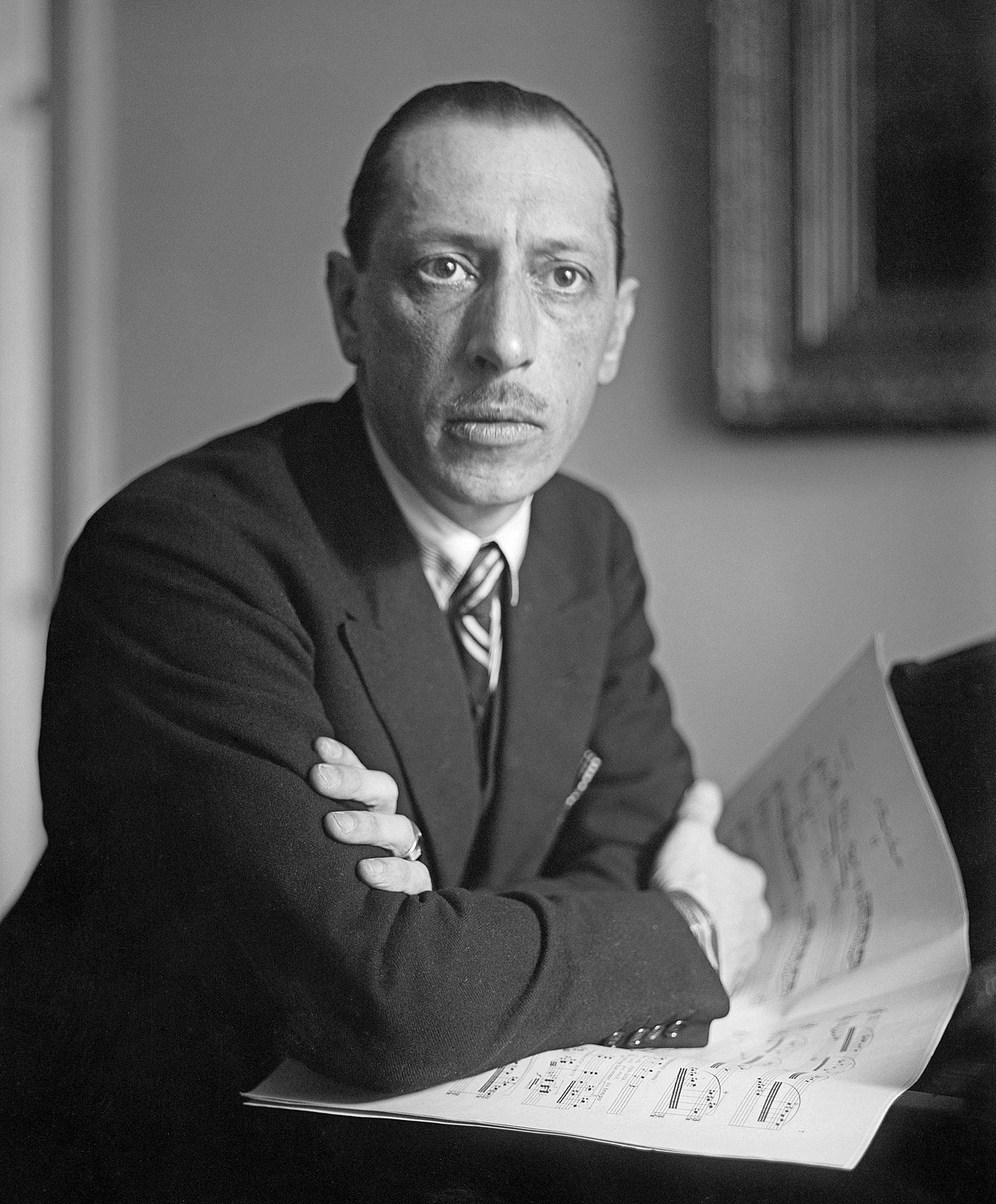
WikipediaJoseph Wilhelm Mengelberg (28 March 1871 – 21 March 1951) was a Dutch conductor, famous for his performances of Beethoven, Brahms, Mahler and Strauss with the Concertgebouw Orchestra in Amsterdam. He is widely regarded as one of the greatest symphonic conductors of the 20th century. Biography
Mengelberg was the fourth of fifteen children of German-born parents in Utrecht, Netherlands. His father was the Dutch-German sculptor Friedrich Wilhelm Mengelberg. He was a distant cousin of the musicologist and composer Rudolf Mengelberg and the uncle of the conductor, composer and critic Karel Mengelberg, who was himself the father of the pianist and composer Misha Mengelberg. After studies in Utrecht with the composer and conductor Richard Hol, the composer Anton Averkamp (1861–1934) and the violinist Henri Wilhelm Petri (1856–1914), Mengelberg went on to study piano and composition at the Cologne conservatory (now the Hochschule für Musik Köln), where his principal teachers were Franz Wüllner, Isidor Seiss and Adolf Jensen.
In 1891, when he was 20, he was chosen as general music director of the city of Lucerne Switzerland, where he conducted an orchestra and a choir, directed a music school, taught piano lessons and continued to compose. Four years later, in 1895, when he was 24, Mengelberg was appointed principal conductor of the Concertgebouw Orchestra, a position he held until 1945.
In this position, Mengelberg was to premiere a number of notable orchestral works. For example, in 1898, Richard Strauss dedicated his tone poem Ein Heldenleben to Mengelberg and the Concertgebouw Orchestra, telling journalists that he "had at last found an orchestra capable of playing all passages, so that he no longer needed to feel embarrassed when writing difficulties". Among other notable premieres were those on 29 March 1939, when Mengelberg conducted the premiere of the Violin Concerto No.
Works & Events
1871
Birth of Willem Mengelberg
birth
Derived from Wikidata date of birth (P569).
1951
Death of Willem Mengelberg
death
Derived from Wikidata date of death (P570).
Gallery(3)




Are you a musician? Join Cadenza for free