
Mauricio Kagel
1931–2008
Moderncomposerfilm directorconductoruniversity teachervideo artistmusic educatormusicologistscreenwriter
Quick Facts
- Born
- 1931
- Died
- 2008
- Era
- Modern
Tags
composerfilm directorconductoruniversity teachervideo artistmusic educatormusicologistscreenwriter
Biography
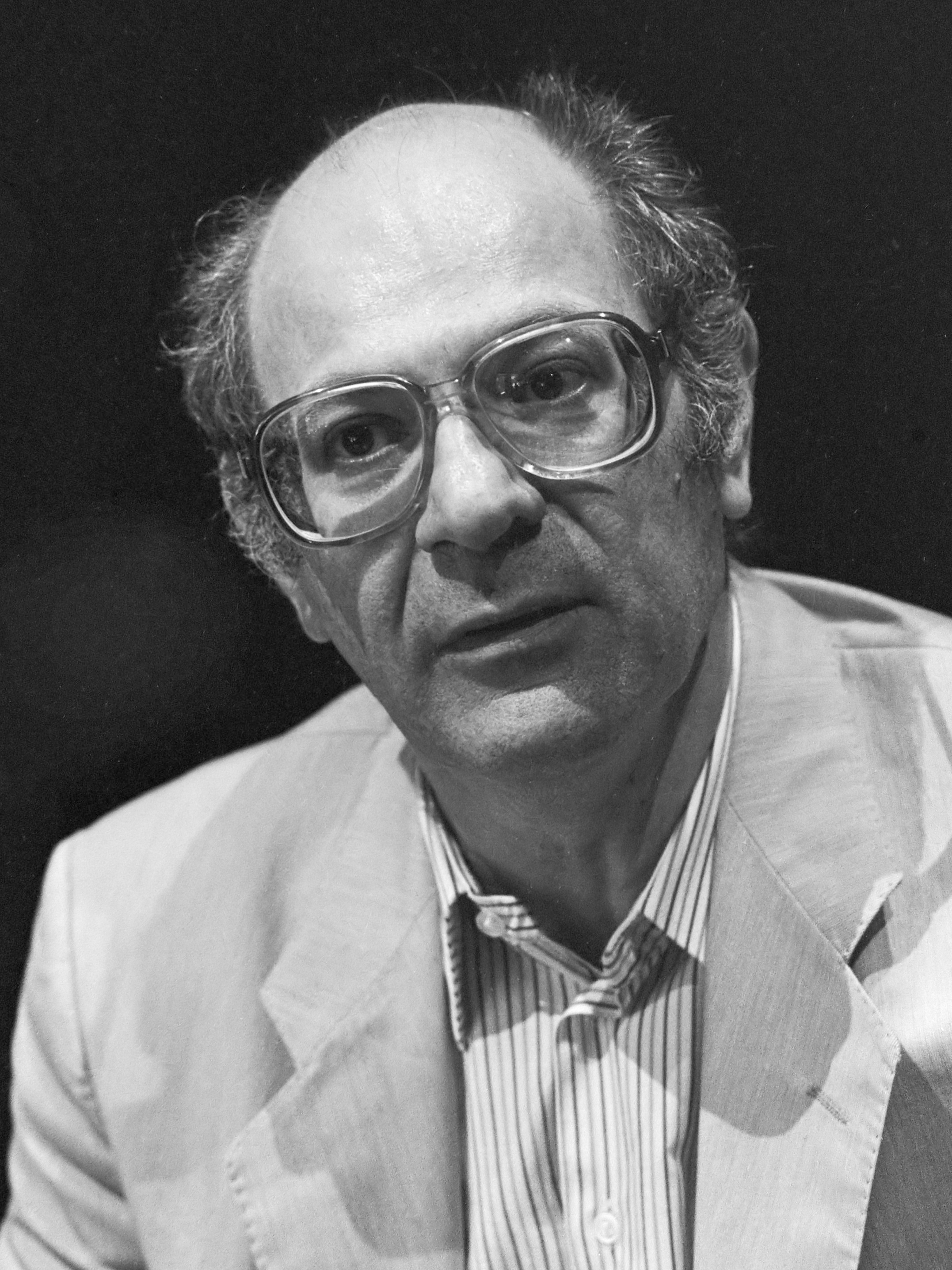
WikipediaMauricio Raúl Kagel was an Argentine-German composer and academic teacher. Life and career Early life and education
Mauricio Raúl Kagel was born on 24 December 1931 in Buenos Aires, Argentina, into an Ashkenazi Jewish family that had fled Russia in the 1920s. He studied music, history of literature, and philosophy in Buenos Aires. In 1957 he moved to Cologne, West Germany, where he lived until his death. As teacher
From 1960 to 1966 and from 1972 to 1976 Kagel taught at the Darmstädter Ferienkurse. He also taught from 1964–65 at the University at Buffalo as the visiting Slee Professor of music theory. At the Berlin Film and Television Academy, he was a guest lecturer from 1967 on. In 1968, Kagel was the director of the Scandinavian Courses for New Music in Gothenburg and from 1969–74 he served as the director of the Cologne Courses for New Music, succeeding Karlheinz Stockhausen. He was a professor for new music theatre at the Köln Hochschule from 1974–97.
Among his students were Moya Henderson, Kevin Volans, Maria de Alvear, Carola Bauckholt, Branimir Krstić, David Sawer, Rickard Scheffer, Juan Maria Solare, Norma Tyer, Gerald Barry, Martyn Harry, and Chao-Ming Tung. See: List of music students by teacher: K to M#Mauricio Kagel. As composer
Some of his pieces give specific theatrical instructions to the performers, such as to adopt certain facial expressions while playing, to make their stage entrances in a particular way, or to physically interact with other performers. For this reason commentators at times related his work to the theatre of the absurd. He has been regarded by music historians as deploying a critical intelligence interrogating the position of music in society. He was also active in the fields of film and photography. In 1991 Kagel was invited by Walter Fink to be the second composer featured in the annual Komponistenporträt of the Rheingau Musik Festival. In 2000 he received the Ernst von Siemens Music Prize.
Works & Events
1931
Birth of Mauricio Kagel
birth
Derived from Wikidata date of birth (P569).
2008
Death of Mauricio Kagel
death
Derived from Wikidata date of death (P570).
Gallery(3)

Quick Facts
- Born
- 1931
- Died
- 2008
- Era
- Modern
Tags
composerfilm directorconductoruniversity teachervideo artistmusic educatormusicologistscreenwriter



Are you a musician? Join Cadenza for free