
Biography
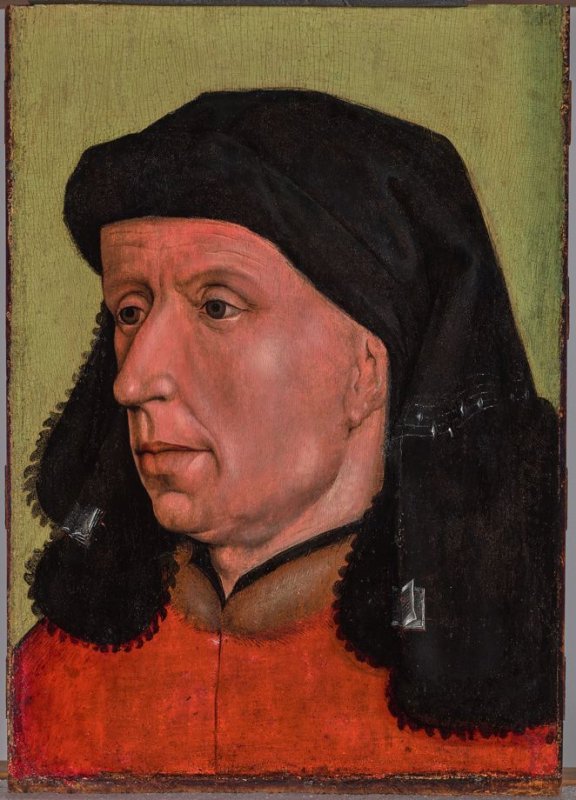
WikipediaAndreas Pevernage or Andries Pevernage (1542 or 1543 – 30 July 1591) was a Flemish composer of the late Renaissance and a choirmaster in Bruges, Kortrijk, and Antwerp. He was one of a few composers from the Low Countries who remained in his native land throughout the turbulent period of religious conflict in the late 16th century. He was a skilled composer of chansons, motets and madrigals. Life
Pevernage was born in Harelbeke, a small town near to Kortrijk, and probably spent his boyhood years as a singer in the church in Kortrijk. He became the choirmaster at the church of St Salvator in Bruges on 21 January 1563, and later that same year became choirmaster at the Onze Lieve Vrouwkerk (Notre Dame) in Kortrijk. In 1564 he became chaplain there, and rose to the position of permanent vicar in 1569. Also in Kortrijk, he joined the guild of St. Cecilia, for which he wrote some of his music. The religious wars of the 16th century ravaged the Netherlands as they had adjacent regions, and war came to Kortrijk. He fled the city in 1577 or 1578 with his family when the Calvinists took over; they had little use for music, and as a Roman Catholic he was unsafe during this period of persecution; his family went to Antwerp, where they stayed until the next year, during which Pevernage was appointed to the post of choirmaster in Bruges. However, Calvinists captured this town as well, and Pevernage was out of a job until 1584, at which time he regained his former employment in Kortrijk. On 29 October 1585 he was appointed choirmaster at the Cathedral of Our Lady (Antwerp); this was shortly after the Spanish capture of the town (see Siege of Antwerp (1584-1585); the Protestant rebels had been forcibly ejected from the city in August). One of Pevernage's activities there was to rebuild the extensive music library, which had been ransacked and burned by Calvinists. He remained at this post until his death in 1591, and was buried in the cathedral.
Works & Events
No recorded events found.
Gallery(1)




Are you a musician? Join Cadenza for free