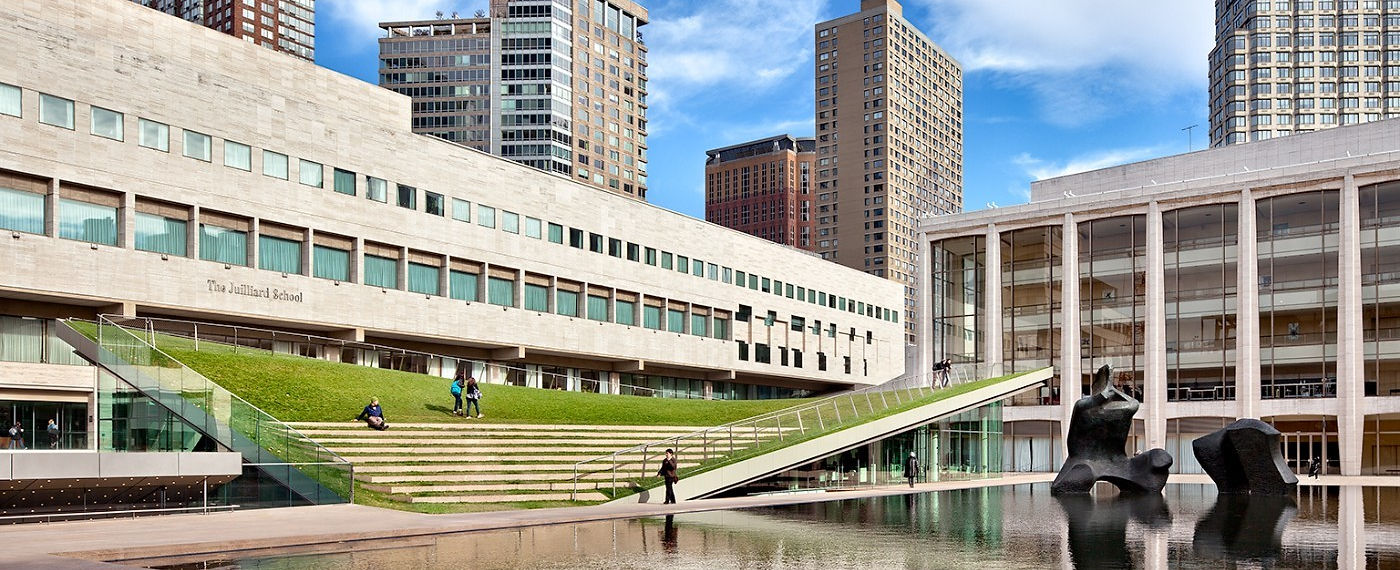
The Real Cost of
a Music Degree
Follow the money from first lesson to first paycheck. Every number from the U.S. Department of Education.
$232K
Juilliard degree
4-year sticker price
$14,067
1yr after graduation
Median earnings
€300/yr
German conservatory
Same quality education
Part One
The Dream
It begins with a child, an instrument, and a family that believes.
You Start at Five
Somewhere around age five, a child picks up a violin, sits at a piano, or wraps their hands around a cello. A parent signs up for weekly lessons. The investment begins.
Private lessons with an experienced teacher cost $100–$200 per hour. One lesson per week, fifty weeks a year, for thirteen years — from age five to college audition at eighteen.
13 years of lessons
$39K–$135K
Before they even apply
Add summer programs
$20K–$60K
Interlochen, Tanglewood, Aspen
By the time a student auditions for conservatory, their family has spent $60,000 to $200,000 — on lessons, summer programs, competition fees, pre-college programs, and a decent instrument. This is before a single tuition payment.
Eighty percent of classical musicians in England grew up affluent with university-educated parents. The pipeline filters for wealth before it filters for talent.
The Audition
At seventeen, you audition. The acceptance rates at major conservatories:
4.6%
Curtis
568 apply
Tuition-free
9.0%
Juilliard
2,020 apply
$57,950/yr
42.8%
NEC
959 apply
$60,750/yr
43.5%
Berklee
7,050 apply
$52,040/yr
The school that costs nothing is the hardest to enter. The schools that are easiest to enter charge the most and produce the lowest earners.

Part Two
The Bill
What they charge, what you borrow, what it costs.
The Price Tag
Eastman
$69,030
$276K (4yr)
Oberlin
$67,366
$269K (4yr)
NEC
$60,750
$243K (4yr)
Juilliard
$57,950
$232K (4yr)
Manhattan
$57,050
$228K (4yr)
SFCM
$54,550
$218K (4yr)
CIM
$52,880
$212K (4yr)
Berklee
$52,040
$208K (4yr)
Curtis
$0
$0 (4yr)
Colburn
$0
$0 (4yr)
Germany
~€300
~€1,200 (4yr)
Total cost of attendance at Juilliard — tuition, room, board, fees, living in New York City — is approximately $83,890 per year. Over four years: $335,560.
Compare all 945 schools on Cadenza's tuition comparison tool.

The Debt
Berklee total debt
$96K
$25K federal + $71K private
Northwestern music vs peers
4.5x
Music: $67K debt. University-wide: $15K
Federal loan numbers look moderate — $22,000–$27,000. But that's just the federal piece. Private loans are where the real burden lives. A Berklee graduate carries a combined $96,000 in student debt. SFCM master's graduates: $58,500 — forty-nine percent above the national graduate average.
At Northwestern, music majors carry $67,010 in debt while the university-wide median is $15,000. Same campus, same diploma, four and a half times the debt.
Part Three
The Reality
What actually happens after graduation.
What Graduates Actually Earn
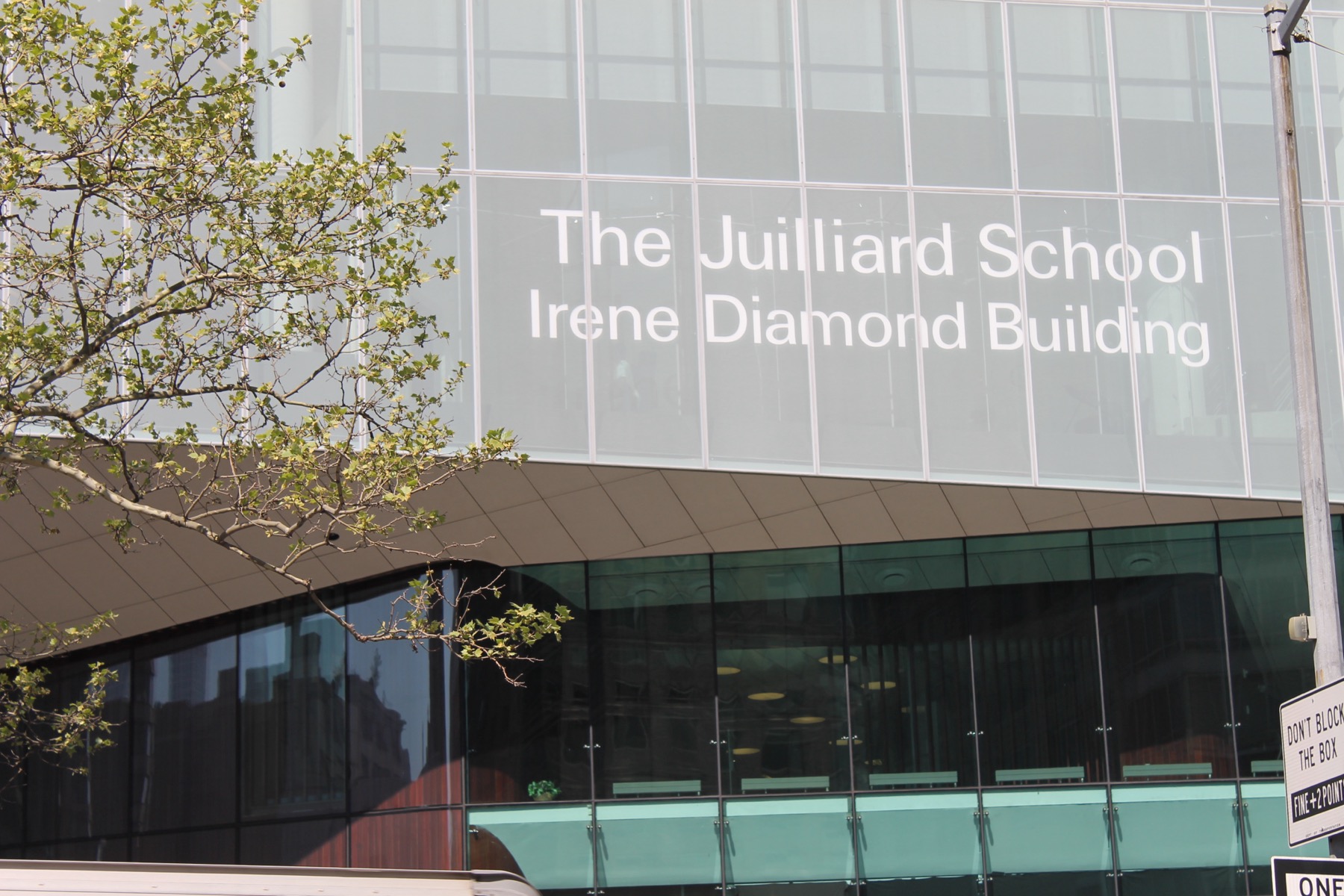
Juilliard graduates earn $14,067 one year after graduation. That is below minimum wage in New York City.
Median earnings 6 years after enrollment — U.S. Dept. of Education College Scorecard
The free school produces the highest earners. Curtis graduates earn $31,201. NEC charges $60,750/year and produces $18,830 earners. The difference is not the education — it's the selection. Curtis accepts 4.6%. NEC accepts 42.8%.
The Return on Investment
Manhattan School
-$155K
10-year ROI
Berklee
-$100K
Bottom 10 nationally
NEC
-$100K
Bottom 10 nationally
Georgetown CEW: 70% of music/fine arts bachelor's programs have negative ROI. At the most expensive schools: 81%. Music schools recover to positive by 40 years — but surviving 10–15 years of negative returns requires family wealth or a second career.
The Department of Education's own College Scorecard is the authoritative source:
U.S. Department of Education · College Scorecard · FY2024
“Median earnings of graduates one year after leaving the institution, by program of study.”
Juilliard — Music
$14,067
Manhattan SOM — Music
$18,815
NEC — Music
$18,830
U.S. median HS graduate
~$36,000
Fine Arts programs w/ negative ROI
70%
Most-expensive tier
81%
Source: U.S. Department of Education College Scorecard (collegescorecard.ed.gov). Georgetown Center on Education and the Workforce, “Ranking 4,600 Colleges by ROI” (2025). Every figure is public, federal, and verifiable.
Peer Degrees — What Else a Student Could Have Studied
A music degree does not exist in a vacuum. The same eighteen-year-old choosing between a $57,950 Juilliard seat and a free German conservatory is also choosing against every other degree. Here is what the same four years of tuition and opportunity cost buys, by lifetime earnings premium over a high school graduate:
| Bachelor's degree field | Lifetime earnings premium | ROI signal |
|---|---|---|
| Engineering | +$1.9M | Positive within 5 years |
| Computer Science | +$2.0M | Positive within 4 years |
| Nursing | +$1.6M | Positive within 3 years |
| Business | +$1.5M | Positive within 7 years |
| Education (teaching) | +$1.1M | Positive within 8 years |
| Psychology / Social Sciences | +$900K | Positive within 10 years |
| Music / Fine Arts (top conservatories) | −$155K to +$500K | Negative for 10–15 years; 70% of programs stay negative past year 10 |
Every other bachelor's degree field returns positive within a decade. Music and fine arts is the only professional degree category in which the largest group of programs never crosses into positive lifetime ROI. Not because the labor is unimportant — but because the training cost is uncoupled from the post-training wage.
The same student, the same four years. Engineering: +$1.9M. Music: −$155K. The choice is not between passion and money. It is between one decision that pays you and another that charges you.
Source: Georgetown Center on Education and the Workforce, “The College Payoff” and “Ranking 4,600 Colleges by ROI” (2025). U.S. Department of Education College Scorecard. FREOPP “Does College Pay Off?” (2024).
The Funnel
Music degrees per year
Orchestral instrument grads
Applicants per audition
Salaried orchestra openings/year
107 graduates for every orchestra opening.
0.5% chance of winning a seat in any given year.
Sources: NCES/Data USA. VanWaeyenberghe “Musical Chairs: A 28-Year Study of Supply and Demand of Orchestra Musicians.” SABR: “It is harder to get an orchestra job than to play professional baseball.”
Where They End Up
41%
Full-time musicians
23%
Music teachers
29%
Left music
6%
Unemployed
Nearly one in three leaves music entirely. Ninety percent teach. The BLS says there are 38,350 employed musicians in the United States — fewer than dental hygienists. Job growth: 1%. Average annual earnings from music: $10,402.
The Teaching Fallback
The most common plan B is teaching. But a college music professorship requires a doctoral degree — three to five more years and $50,000–$150,000 in additional education. Even then, positions are scarce.
BLS median salaries (May 2024). Private lesson avg from ZipRecruiter/Salary.com.
A private lesson teacher averages $54,000–$65,000. A high school music teacher: $64,580. Neither justifies $200,000+ in conservatory debt — especially when a nursing degree costs less and pays $93,600 at median.
Music vs. Everything Else
Starting salary by major. NACE Class of 2025, BLS, CareerExplorer.
An engineering degree and a music degree cost roughly the same.
One pays $79,000. The other pays $24,000.
Performing arts majors earn $41,100 at ages 22–27 — ranking among the three lowest-paying college majors in America (CNBC/Census). Computer engineering starts at $82,565. Same four years of college. Same age at graduation. Three and a half times the income.
This data is public. Share it. cadenza.work/news/music-degree-cost
Part Four
The Toll
What it does to the people who try.
What It Does to Your Body and Mind
Sources: PMC systematic reviews, Help Musicians UK (2,221 respondents), University of Westminster, Oxford Academic, Future of Music Coalition.
Part Five
The Filter
Who can afford to try. Who gets through.
Who Gets Through
The total cost of becoming an orchestra musician in America: $300,000 to $963,000.
The New World Symphony — America's most prestigious fellowship — pays $640 per week. A Heckel bassoon costs $60,000+. An oboe must be replaced every 4–6 years. An audition costs ~$483 in flights, hotels, and accompanist fees. A serious candidate does 10–20 per year.
What the Instruments Cost
$60,000+
Heckel Bassoon
Standard for orchestral work
$10K–$50K+
Professional Cello
Concert cellos much higher
$15K–$30K
Professional Violin
Minimum for auditions
$5K–$20K+
French Horn
Professional double horn
$8K–$14K
Oboe
Replaced every 4–6 years
$5K–$30K
Bow (string)
Most players own two
The Stradivari Society loans instruments worth $30M+ — to ~25 musicians worldwide. There are 50,000+ serious string students in the pipeline.
The Race Question
Solid bar = orchestra. Second number = US population. Source: League of American Orchestras EDI Data Hub (2025).
Black Americans: 13.6% of the population, 2.1% of orchestra seats. Over a decade, that moved from 1.8% to 2.4%. The wealth filter is a racial filter.
Part Six
The Escape
What works. What's free. What the rest of the world does differently.
The European Option

US Conservatory (4 years)
$296K–$340K
Tuition + living in NYC
German Musikhochschule (2yr)
€20K–€33K
Fees + living in Berlin
Germany has 24 public Musikhochschulen. No tuition — even for international students. France: ~€500/year. Austria: €388/semester. A student in Leipzig lives on €800/month. The trade-off: C1–C2 German proficiency required. But for someone facing $200,000 in debt, learning German is a rational investment.
What Works
The model that works
Curtis Institute
Tuition: $0
Acceptance: 4.6% • Grad rate: 95%
6yr earnings: $31,201 — highest of any conservatory
Endowment: $325M
The billion-dollar question
Juilliard's Endowment
Endowment: $1.09 billion
Per student: ~$1.4 million
Tuition: $57,950/year
Campaign: $550M to go tuition-free
Curtis did it with $325M — less than a third of Juilliard's endowment.
The Endowment Question
Some conservatories sit on hundreds of millions — or billions — in endowment while still charging high tuition.
Curtis eliminated tuition with $325 million. Juilliard has $1.09 billion and still charges $57,950.
The Gainful Employment Test
The Department of Education's gainful employment rule goes into effect July 1, 2026. It measures whether graduates earn enough to repay their loans.
The test: Annual loan payments cannot exceed 8% of total earnings or 20% of discretionary earnings.
The math: NEC graduates earn $18,830 at 6 years. With $27,000 in federal loans at 5% interest, annual payments would be ~$3,440 — that's 18.3% of earnings. The threshold is 8%.
First results: Published 2027. Programs must fail 2 consecutive years. Earliest penalties: July 2028. The DOE projects ~1,700 programs enrolling 700,000 students would fail at least one metric. Religious studies and fine arts “such as theater and music” are specifically flagged.
Before You Audition
What Nobody Tells You
Your degree will have negative ROI for at least 10 years.
Georgetown CEW
You will earn less than a quarter of what a nurse earns.
BLS / NACE
107 graduates compete for every orchestra opening.
Musical Chairs study
The best fellowship pays $22,400/year.
New World Symphony
Up to 87% chance of playing-related injury.
PMC reviews
3x more likely to suffer depression.
Help Musicians UK
Same education costs €300/year in Germany.
AEC Music
The school with the best outcomes charges $0.
Curtis Institute
$60,750/year tuition produces $18,830 earners.
NEC / Scorecard
Juilliard sits on $1.09B. Still charges $57,950.
Foundersuite
Compare Schools on Cadenza
945 schools • 78 countries • 116 free-tuition programs
The Record Outside the Industry
The conservatories dispute these numbers. The critics, researchers, and federal agencies who have documented them do not. A partial list of the institutional sources on the record:
Georgetown Center on Education and the Workforce
Anthony P. Carnevale et al.
“Ranking 4,600 Colleges by ROI” (2025). “The College Payoff.” The standard reference on higher-education lifetime earnings. Finds 70% of music/fine arts programs have negative ROI.
U.S. Department of Education
College Scorecard · Gainful Employment Rule
Publishes per-program median graduate earnings. Gainful employment rule effective July 1, 2026 — music programs fail the debt-to-earnings threshold by wide margins.
FREOPP
Preston Cooper
“Does College Pay Off?” Database of per-program ROI across 30,000 degrees. Music bachelor’s programs cluster at the bottom.
Strategic National Arts Alumni Project (SNAAP)
200,000+ arts graduates surveyed
Largest longitudinal survey of arts alumni. 29% leave the field; 43% report lacking health insurance during their careers.
National Association of Schools of Music (NASM)
Accreditation body for U.S. music schools
Publishes admission and enrollment data that makes the acceptance-rate vs tuition inversion visible.
Bureau of Labor Statistics
Occupational Employment Statistics
Salary and employment data for “Musicians and Singers.” Median hourly wage well below the cost of service of a music degree.
VanWaeyenberghe
“Musical Chairs” orchestra-jobs study
107 classically-trained graduates compete for each salaried orchestral opening annually in the U.S.
Help Musicians UK
2016 and 2023 surveys
Longitudinal health and income data on working musicians. 71% report anxiety; mental-health outcomes significantly below general population.
When the conservatory tells you its graduates are doing well, ask which of these sources it is citing. If the answer is none of them, the conservatory is selling you its own press release.
The Verdict
A music degree in America should come with a warning label.
Not because music is not worth studying — it is one of the most worthwhile things a human being can do with a life — but because the bill the conservatories print is uncoupled from the wage the field pays, and the eighteen-year-old signing the loan paperwork is not shown that gap by the institution taking the money.
The case against the system is not our opinion. It is the conservatories' own published tuition schedules, their own 990 filings, and the federal government's own College Scorecard sitting on top of each other in a single sentence:
Juilliard charges:
$57,950 per year. $232,000 sticker over four. $335,560 total cost of attendance.
Juilliard graduates earn a median of $14,067 one year after leaving — below minimum wage in New York City. Juilliard has a $1.09 billion endowment. It has not gone tuition-free.
New England Conservatory charges:
$60,750 per year. $243,000 over four.
NEC graduates earn a median of $18,830 six years after enrollment. The program has an estimated ROI of −$100,000 over ten years.
Manhattan School of Music charges:
$57,050 per year. $228,000 over four.
Manhattan graduates earn a median of $18,815 six years after enrollment. Georgetown CEW ranks Manhattan’s 10-year ROI at −$155,000 — one of the worst in the country.
Oberlin charges:
$67,366 per year. $269,000 over four.
Music majors at Oberlin’s parent college carry 4.5× the debt of their university-wide peers. Same campus. Same diploma. 4.5× the debt.
Berklee charges:
$52,040 per year. $208,000 over four.
Berklee graduates carry $96,000 in combined federal and private debt — among the highest of any undergraduate institution in America.
Curtis charges:
$0.
Curtis graduates earn a median of $31,201 — the highest of any American conservatory. Curtis did it with a $325M endowment. Juilliard has 3.4× that and still charges $57,950.
Germany charges:
~€150–€300 per year. Even for international students.
Germany has 24 publicly-funded Musikhochschulen. Their graduates fill the Berlin Philharmonic, the Bavarian Radio Symphony, the Dresden Staatskapelle — and a significant portion of every major American orchestra.
The Department of Education says:
“Annual loan payments cannot exceed 8% of total earnings or 20% of discretionary earnings.”
NEC graduates, at $18,830 earnings with $27,000 federal loans, would pay 18.3% of earnings toward loans alone — more than double the threshold. The gainful employment rule effective July 1, 2026 is projected to flag ~1,700 programs enrolling 700,000 students. Music is specifically named.
Curtis eliminated tuition with $325 million. Juilliard has $1.09 billion. The Juilliard Board has the money. It has the model — down the street, a hundred miles away. It has not acted.
Germany has solved the tuition problem at a national level since the 1970s. France has tuition under €500. Austria charges €388 per semester. There is no mystery about how to educate a world-class musician without bankrupting a family. Every other serious music-producing country has done it.
The conservatories that continue to charge $200,000–$335,000 for a degree whose median graduate earns less than a minimum-wage worker in New York City are not running music schools. They are running a selection mechanism for inherited wealth with a music school attached.
The data does not say: do not study music.
The data says: before you sign the loan paperwork, read the College Scorecard for the program you are entering. Ask the conservatory for the median earnings of its graduates at one year, six years, and ten years. Ask the debt. Ask the dropout rate. Ask the admit rate of first-generation students. Ask where the endowment is, and why it is not funding your seat.
If the conservatory will not answer these questions, that is your answer.
The math is public. The question is who sees it before they audition.
Every other bachelor's degree in America returns positive within a decade. Music doesn't. The institutions know. The federal government knows. The researchers know. The only person who is not told is the eighteen-year-old signing the paperwork.
College Scorecard Data
Juilliard — 1 year after graduation
$14,067
70% of music programs
Negative ROI
German conservatory tuition
~€300/year
Source: US Dept of Education, Georgetown CEW, FREOPP
cadenza.work/news/music-degree-cost
The Numbers, One More Time
A four-year degree costs $200,000–$335,000. Median earnings six years later: $18,815–$31,201. Seventy percent of programs: negative ROI.
13,950 degrees per year. 130 openings. 107:1. Twenty-nine percent leave music. Forty-three percent lack insurance. Seventy-one percent experience anxiety.
The pipeline: $300,000 to $963,000. Eighty percent who make it through grew up affluent. Seventy-six percent of seats: white. Two percent: Black.
The same education: under €1,500 total in Germany. Curtis proved free works — with one-third of Juilliard's endowment.
The math is public. The question is who sees it before they audition.
Sources: U.S. Department of Education College Scorecard. IPEDS. Bureau of Labor Statistics (May 2024). Georgetown CEW “Ranking 4,600 Colleges by ROI” (2025). FREOPP “Does College Pay Off?” NACE Class of 2025. SNAAP (200,000+ respondents). VanWaeyenberghe “Musical Chairs.” Help Musicians UK (2016, 2023). League of American Orchestras EDI Data Hub (2025). NASM. College Tuition Compare / IPEDS. Studying in Germany, AEC Music, CNSM Paris. Future of Music Coalition. PMC / Oxford Academic. Dystonia Medical Research Foundation. Institutional websites and disclosures. All data verified April 2026.
Comments
Sign in to join the discussion.