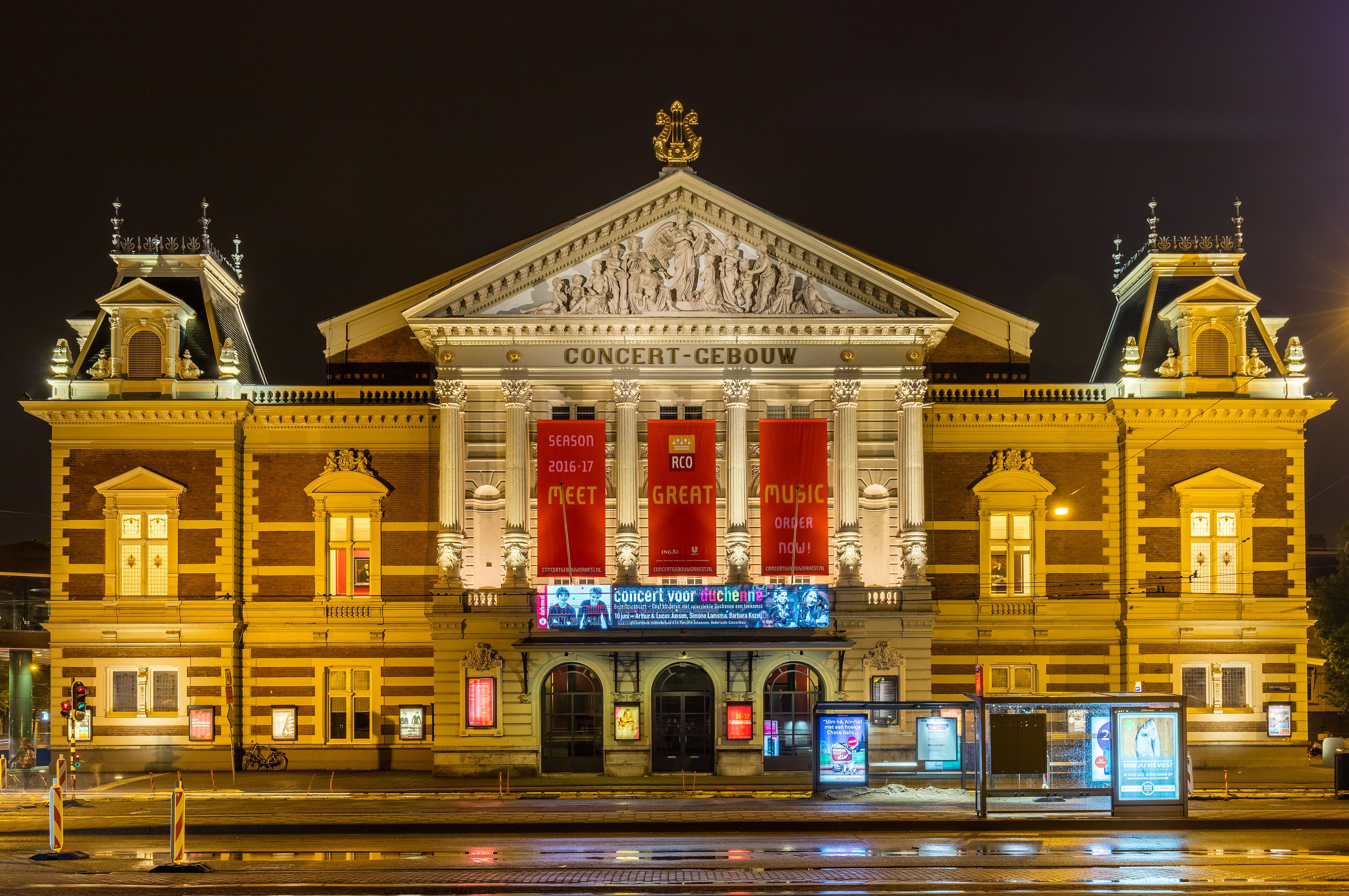
Stepan Armasar was born in 2000. This month he becomes the Bernard Haitink Associate Conductor of the Royal Concertgebouw Orchestra, for the 2026-27 and 2027-28 seasons.
Both institutions announced it on the same day, 7 April 2026: the Concertgebouw in Amsterdam and the Fondazione Toscanini in Parma, where he won his way to it. He is Moldovan, and he trained at the St Petersburg Conservatoire.
The interesting thing about this appointment is not the appointment. It is that the job barely exists yet, and he is the second person ever to hold it.
A launchpad with exactly two data points
The Bernard Haitink Associate Conductorship was created in 2024. Aurel Dawidiuk became the first associate conductor in the history of the Concertgebouw Orchestra that year, and held the post for two seasons.
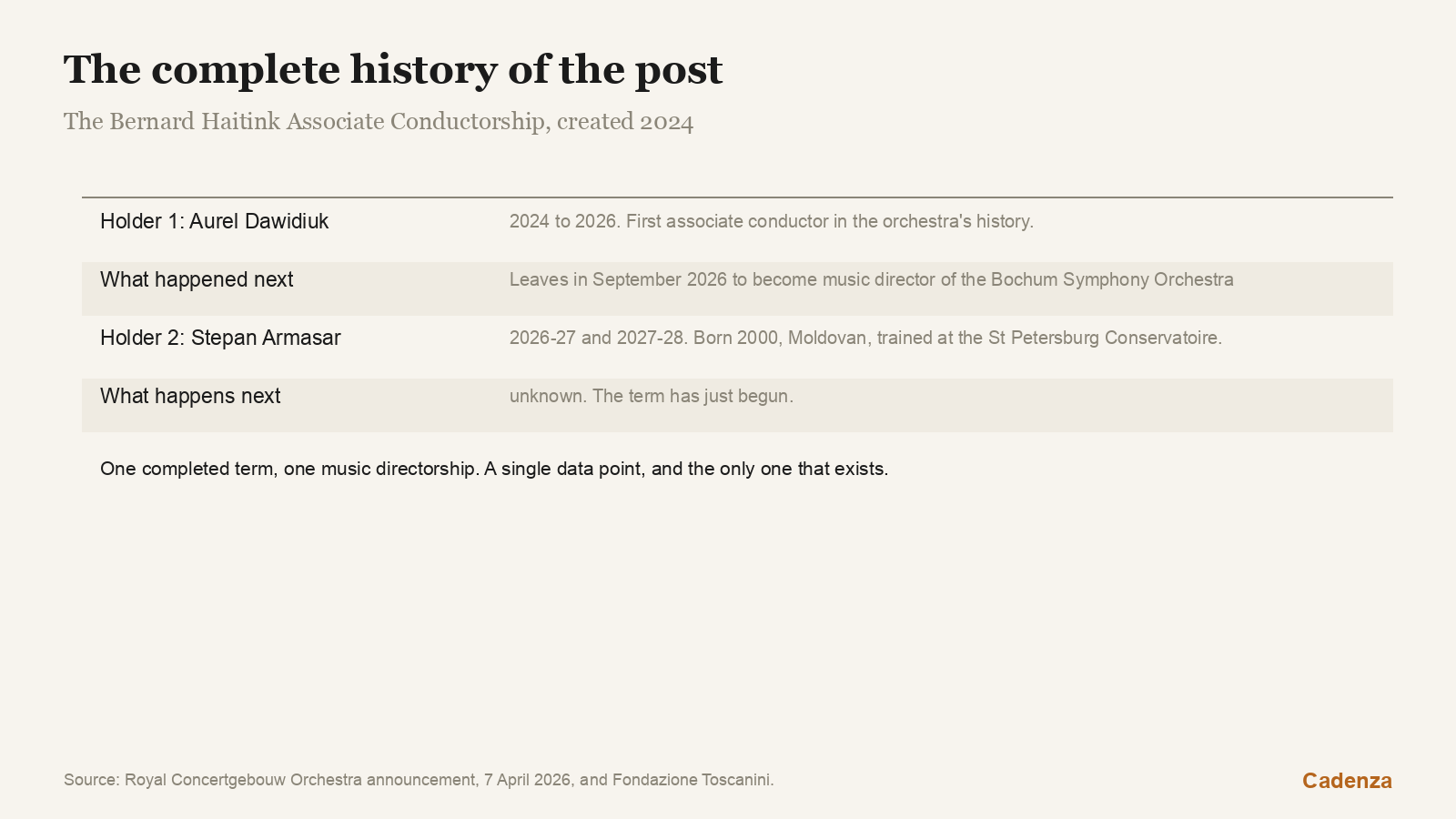
This September, as Armasar arrives, Dawidiuk leaves to become music director of the Bochum Symphony Orchestra.
That is the whole evidence base. One person has completed a term in this job, and at the end of it they were running a German orchestra. It is a single data point and it should not be oversold, but it is the only one there is, and for a young conductor weighing up whether an associate post is worth two years of their life, one real outcome beats any amount of institutional language about mentorship.
Cadenza is not going to claim the post guarantees anything. Two holders is not a trend. What can be said is that the first term ended in a music directorship, and the second term has just begun.
What he won to get there
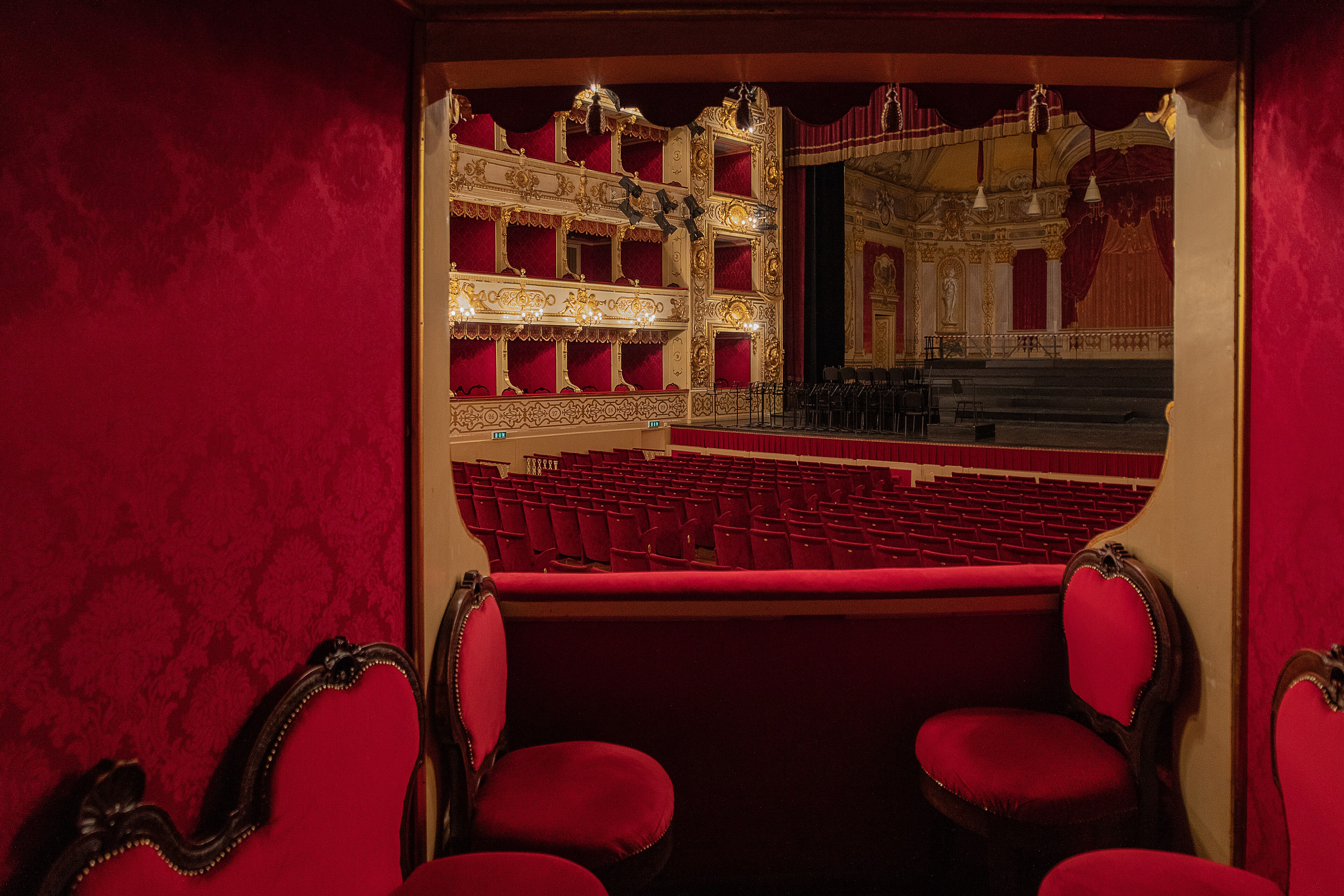
In September 2025, Armasar won the XII Toscanini International Conducting Competition in Parma. He took First Prize and the Audience Prize, which the Fondazione Toscanini names the Emanuela di Castelbarco prize.
He was the youngest participant in the field.
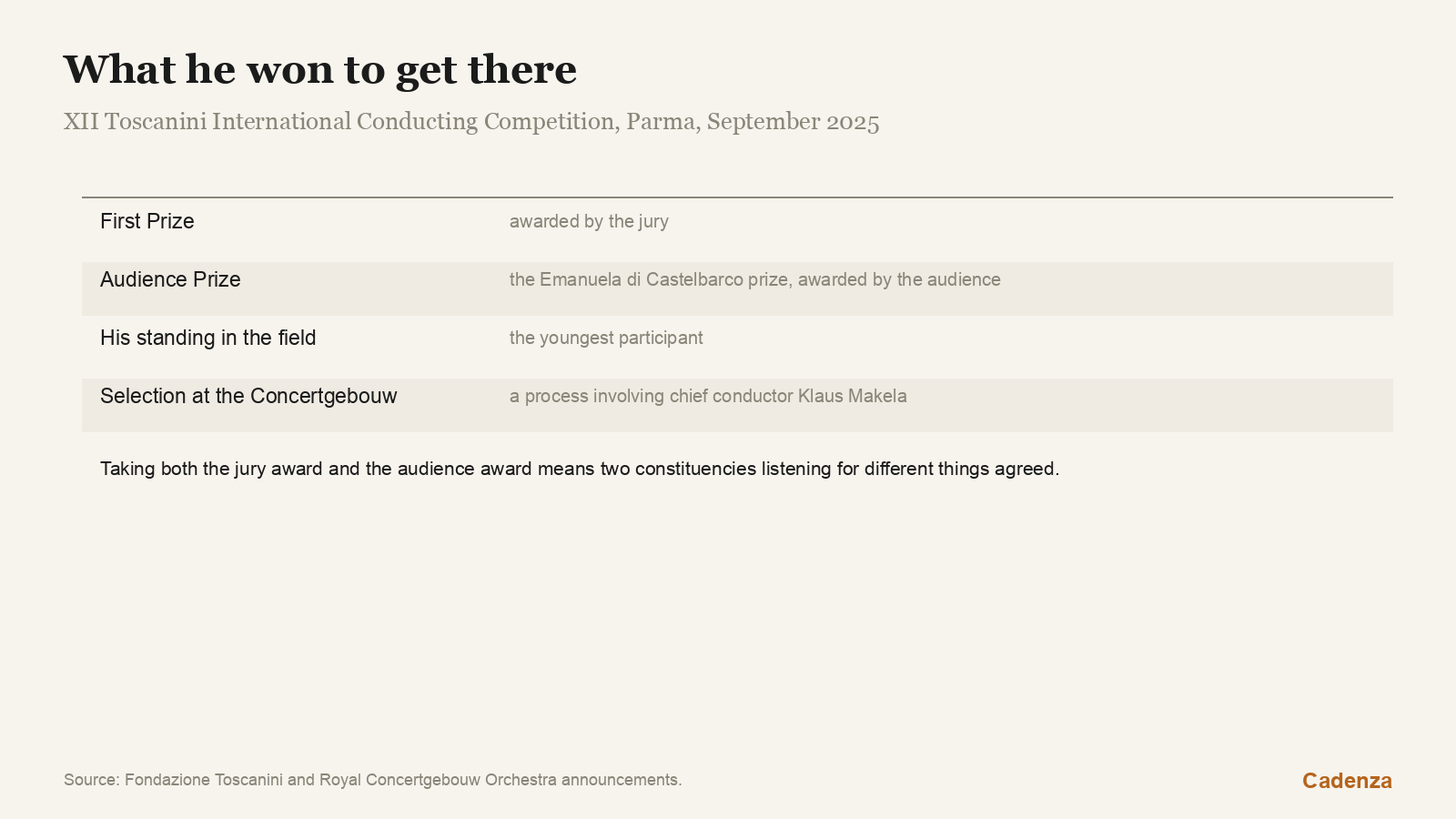
Winning both the jury's award and the audience's award in the same competition is less common than it sounds, because the two constituencies are listening for different things. A jury of conductors and orchestral players is assessing rehearsal technique, stick clarity and whether the orchestra is being helped. An audience is assessing the performance in front of them. Taking both means the two agreed, and in this case the winner was also the youngest person in the room.
Ruben Jais, the Fondazione Toscanini's superintendent and artistic director, called Armasar an extraordinary talent with an interpretative maturity uncommon for his age.
Seven months from a competition to the Concertgebouw
Put the dates next to each other and the speed is the story.
He won in Parma in September 2025. The Concertgebouw named him in April 2026. He starts in September 2026. From competition podium to one of the most selective orchestral apprenticeships in Europe took roughly seven months, and the selection process involved Klaus Mäkelä, the orchestra's chief conductor.
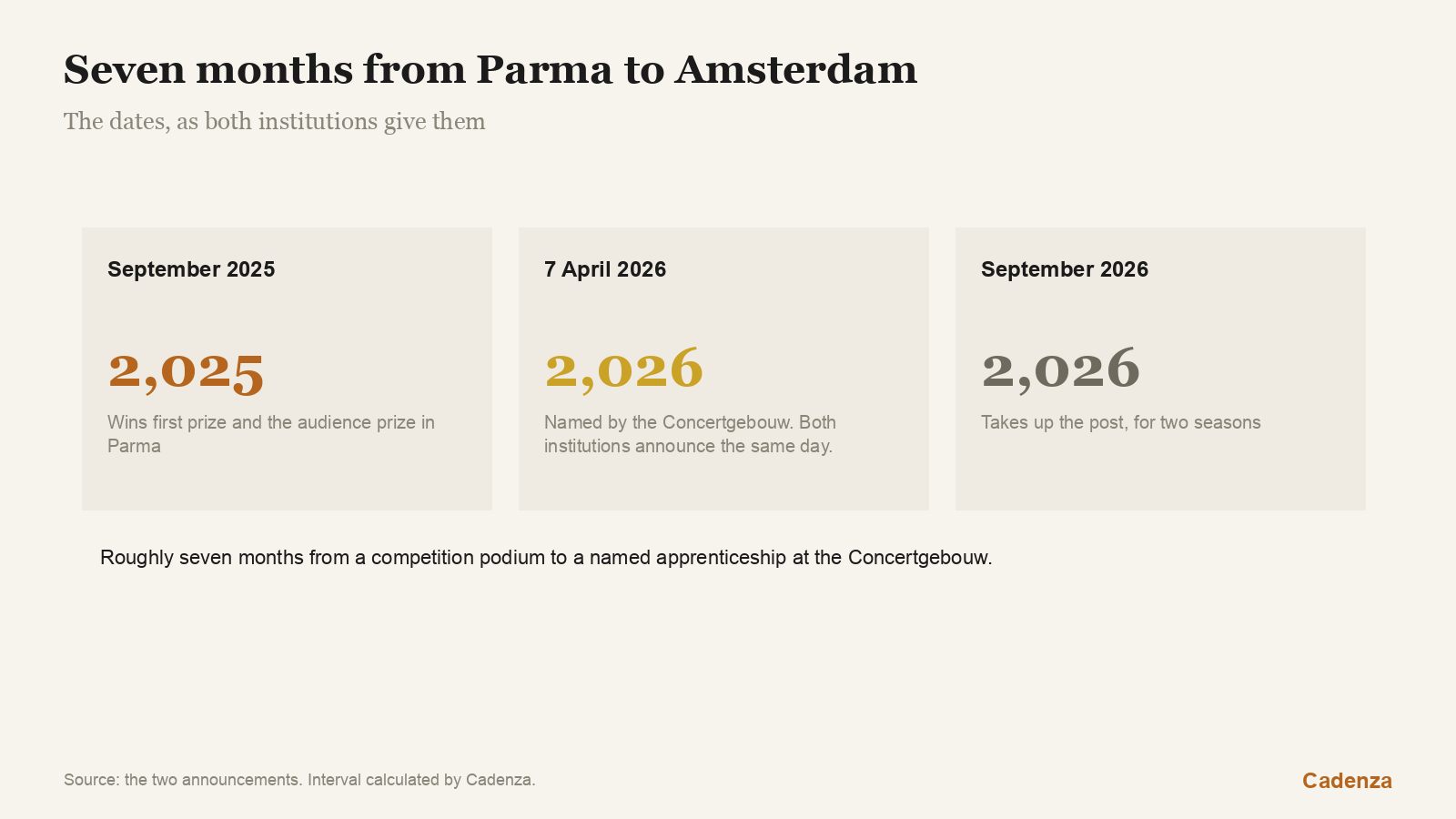
For context on what that compresses: a conducting competition win is usually the beginning of a long negotiation with the profession, not a direct route into a named post at an orchestra of this standing. Most winners spend years on guest engagements and assistant work in smaller houses first.
He is not the only one starting this month
Armasar's appointment reads differently once you notice how many orchestras filled the same kind of post for the same season. Four of them did, and the people they chose are all in their twenties or early thirties.
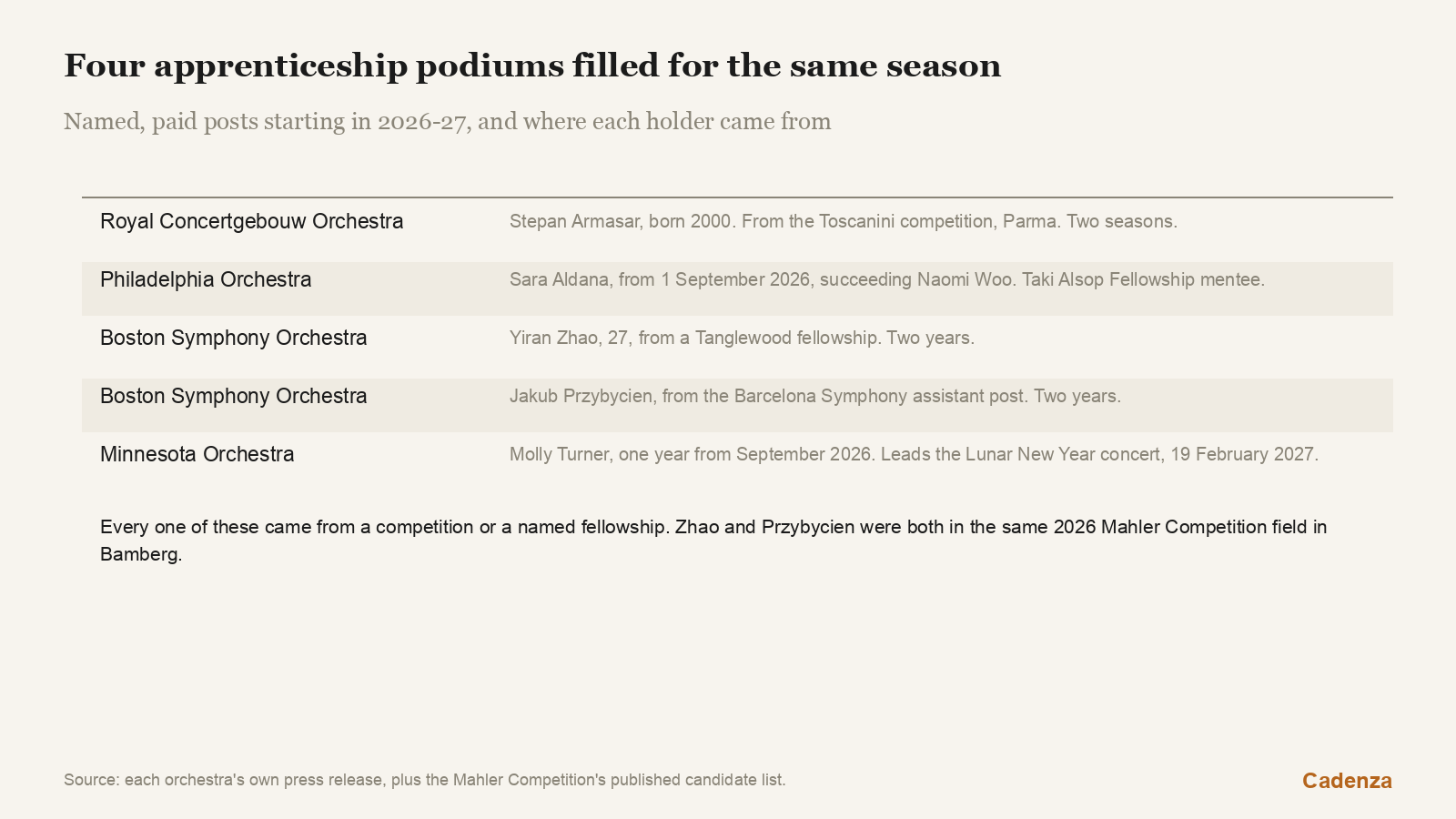
Sara Aldana becomes Assistant Conductor of the Philadelphia Orchestra, effective 1 September 2026 and running through the 2026-27 season, succeeding Naomi Woo. She is a 2026 mentee of the Taki Alsop Conducting Fellowship, and she makes her Philadelphia Orchestra debut in January 2027.
The Boston Symphony Orchestra appointed two Assistant Conductors at once, both on two-year terms beginning with 2026-27. Yiran Zhao, who is 27 and from China, arrives directly from a 2025 Tanglewood Music Center conducting fellowship and the Rita E. Hauser Conducting Fellowship. Jakub Przybycień, who is Polish-born and based in Zurich, arrives from two seasons as Assistant Conductor of the Barcelona Symphony Orchestra and National Orchestra of Catalonia.
Molly Turner becomes Associate Conductor of the Minnesota Orchestra on a one-year term from September 2026, and will lead the orchestra's Lunar New Year celebration on 19 February 2027 as well as its Young People's concerts.
One detail links two of those names in a way no announcement mentions. Zhao and Przybycień were both candidates in the same 2026 Mahler Competition field in Bamberg, according to the competition's own published candidate list. Two separate international juries looked at the same two people in the same year, and then one orchestra hired both of them.
The pattern worth taking from the cohort is not that these posts are proliferating. It is that the pool is small and shared. Every one of these appointments came out of a competition or a named fellowship, and the same names recur across both. For a conductor trying to get seen, that is actionable: the route into these jobs runs through a handful of schemes, not through applications.
Why the title carries a name
The post is named for Bernard Haitink, who became the Concertgebouw Orchestra's principal conductor in 1961, sharing the position with Eugen Jochum until 1963, and then held it alone until 1988. He was made the orchestra's honorary conductor in 1999. Attaching his name to an apprenticeship rather than to a concert series or a hall is a specific choice. Haitink was known for an unshowy, orchestra-serving approach to rehearsal, and for a career built slowly.
Whether the job that carries his name produces conductors who work that way is a question that needs more than two holders to answer. It is worth writing down now, while the sample is small enough to follow properly, because in twenty years nobody will be able to reconstruct it.
What the job is, for anyone weighing one up
Associate and assistant conductorships are not junior versions of a music directorship. The work is mostly covering. The holder learns the repertoire the chief conductor is performing, sits in on rehearsals, takes the orchestra when the chief conductor cannot, and is expected to be able to walk on at no notice and hold a concert together. Some of it is education and family programming, which is where the announced debuts usually fall. Minnesota's new associate, for instance, has the Lunar New Year concert and the Young People's concerts named in the announcement.
The value is access rather than exposure. Two years of watching how a great orchestra is rehearsed, from inside the room, is a training nobody can buy. The cost is two years in which a conductor is largely invisible, at an age when peers are building guest-conducting relationships of their own.
That is the trade a young conductor is actually weighing, and it is why what happened to the previous holder matters more than the prestige of the title.
A year ago it was a competition entry form
Armasar's route ran through an application to a competition in Parma, and the Toscanini competition publishes its calls. The associate conductorship itself was filled through a selection process rather than an open call, but the people in that process were found at competitions.
Cadenza carries competitions with open deadlines, free to musicians, on its competitions board, and current orchestral and conducting vacancies on its jobs board.
If you are a young conductor. The two named associate and assistant posts that turned over for 2026-27 at this level were filled from competition and fellowship pools, not from open advertisements. The Toscanini competition in Parma is the one that produced this appointment, and its results pages name every finalist, which is how a name gets in front of a selection panel in the first place.
The question the Concertgebouw will be asked next is the one its own record now invites. It built a post two years ago, its first holder left it to run an orchestra, and its second holder arrives this month. Will the orchestra say publicly what the post is for, and what it expects a holder to be able to do at the end of two years that they could not do at the start?
Sources: the Fondazione Toscanini's own announcement of Armasar's competition win and Concertgebouw appointment, read in Italian, and the Royal Concertgebouw Orchestra's own English-language announcement of 7 April 2026, which carries the succession from Aurel Dawidiuk, the creation of the post in 2024, Dawidiuk's move to the Bochum Symphony Orchestra and the involvement of Klaus Mäkelä in the selection. Armasar's birth year of 2000, his nationality and his training at the St Petersburg Conservatoire are stated independently by both institutions. The intervals and the two-holder comparison are Cadenza's arithmetic from those announcements.
Cover photograph: the Concertgebouw, Amsterdam, 2016. Diego Delso, CC BY-SA 4.0, via Wikimedia Commons. In-body photograph: the Teatro Regio, Parma. Maurizio Moro5153, CC BY-SA 4.0, via Wikimedia Commons. Charts by Cadenza.
Cover photograph: The Concertgebouw in Amsterdam, where Stepan Armasar takes up the Bernard Haitink Associate Conductorship from September 2026, photographed in 2016. Diego Delso, CC BY-SA 4.0, via Wikimedia Commons.
Comments
Sign in to join the discussion.