On 17 February the Mellon Foundation and the Jazz Foundation of America named twelve Jazz Legacies Fellows. Each receives $100,000, and the award is unrestricted, which means nobody tells the recipient what to spend it on.
Separately, the National Endowment for the Arts named four 2026 Jazz Masters, each receiving a $25,000 fellowship that can be received only once in a lifetime. The NEA honours them at a tribute concert in Los Angeles on Tuesday, 15 September, three days from now.
Add those together and American institutions have committed $1.3 million this year to sixteen named jazz musicians, most of them well past the age at which the industry stops calling.
The twelve, and the size of the cheque
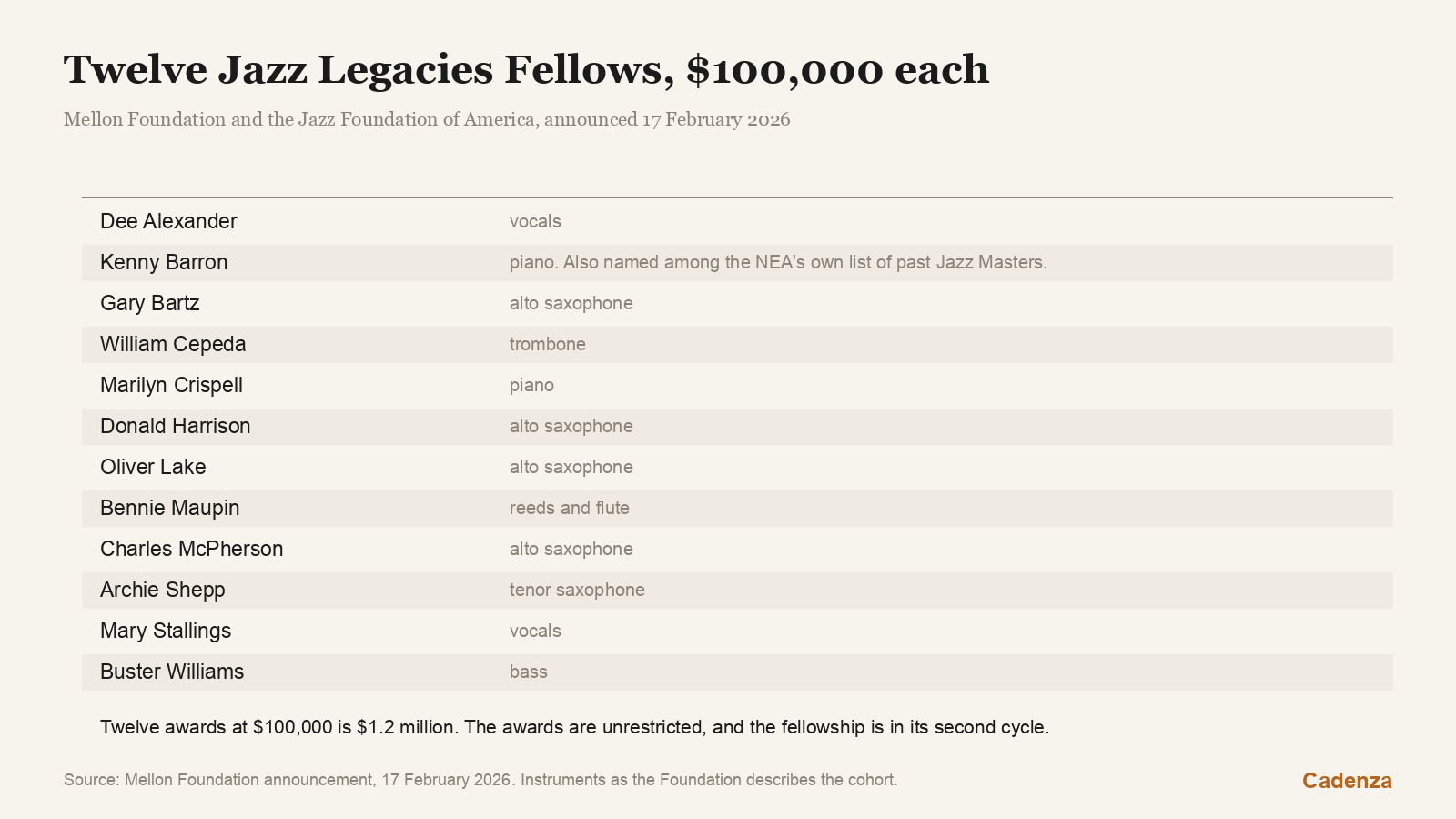
The 2026 Jazz Legacies Fellows are Dee Alexander, Kenny Barron, Gary Bartz, William Cepeda, Marilyn Crispell, Donald Harrison, Oliver Lake, Bennie Maupin, Charles McPherson, Archie Shepp, Mary Stallings and Buster Williams.
Twelve awards of $100,000 is $1.2 million, and the word that matters in the announcement is unrestricted. A grant with conditions pays for a project. An unrestricted award pays for a life: rent, a dentist, a tax bill, an instrument repair, a year in which you do not have to take a gig you do not want.
The Mellon Foundation is explicit that this is the point. The fellowship was established in 2025, funded by Mellon and implemented by the Jazz Foundation of America, and was created to celebrate seasoned jazz musicians while addressing the economic precarity that often accompanies a lifetime of creative contribution.
Alongside the money each fellow gets access to tailored professional and personal resources, including performance and master class opportunities, production support, and legal and financial counsel as needed. That last clause is unglamorous and probably the most useful thing on the list.
Why unrestricted money is rare, and why it matters
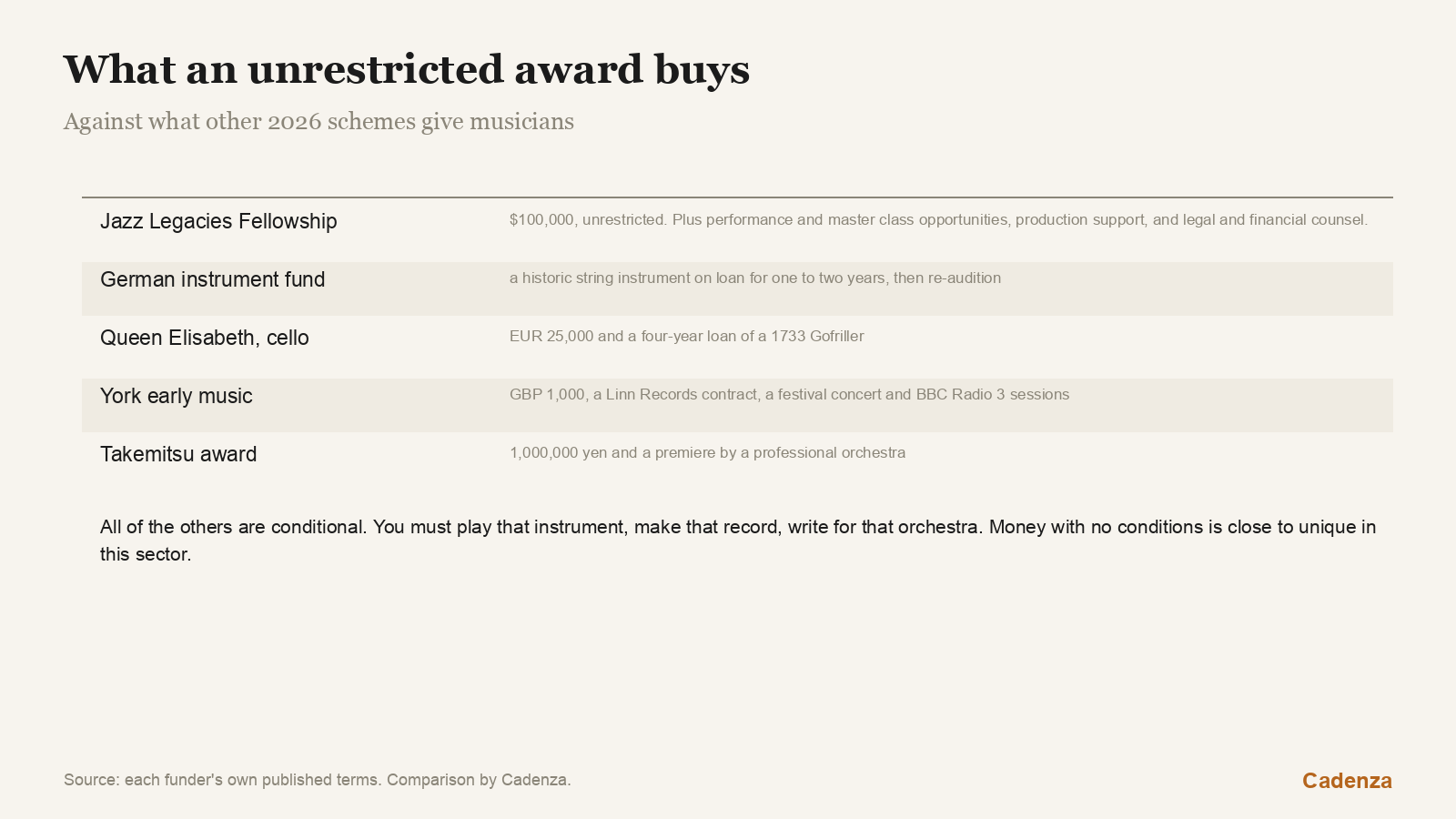
Cadenza has spent this week counting what competitions and funds actually give musicians, and almost none of it is money without strings.
The German instrument fund lends a three-hundred-year-old cello for one to two years and then takes it back for re-audition. The Queen Elisabeth attaches a four-year instrument loan to its first prize. The York early music competition pays £1,000 and hands over a recording contract, a festival date and a broadcaster. The Takemitsu award gives a composer an orchestra.
All of those are genuinely valuable and all of them are conditional. You must play that instrument, make that record, write for that orchestra. A hundred thousand dollars with no conditions is a different instrument entirely, and in a sector built on project funding it is close to unique.
The Mellon announcement puts it plainly: on a fundamental level the fellowship provides financial support and addresses the countless workaday challenges that bedevil great artists who operate without a safety net.
The four Jazz Masters, and a concert on Tuesday
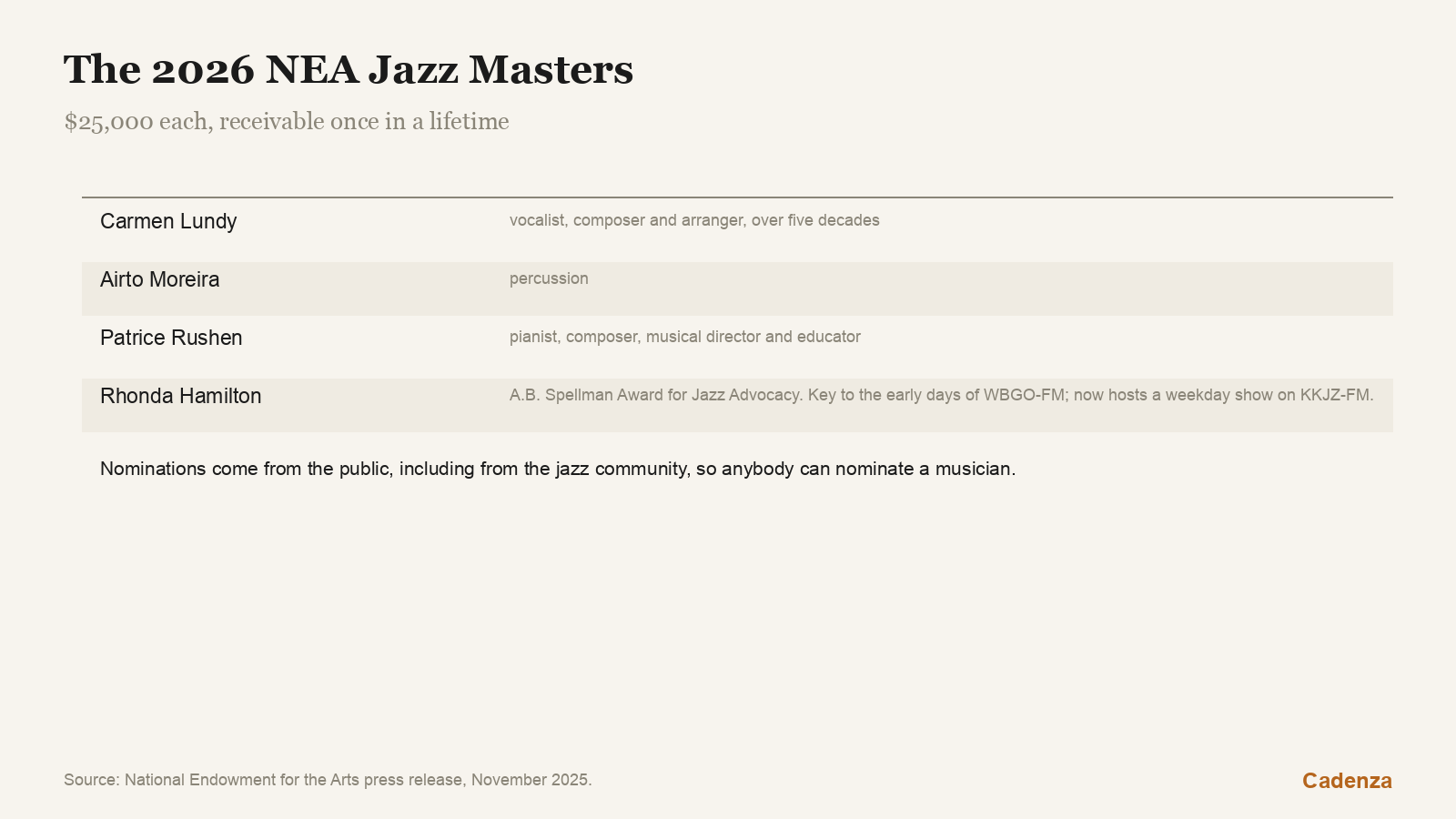
The 2026 NEA Jazz Masters are the vocalist, composer and arranger Carmen Lundy, whose career spans more than five decades; the percussionist Airto Moreira; and the pianist, composer, musical director and educator Patrice Rushen, whose career bridges jazz, R&B, classical and pop.
The fourth is Rhonda Hamilton, who receives the A.B. Spellman NEA Jazz Masters Award for Jazz Advocacy. She played a key role in the early days of the jazz radio station WBGO-FM and now hosts a weekday show on KKJZ-FM in Los Angeles. An award for advocacy going to a broadcaster is worth noting: somebody has to put this music on the air for fifty years, and that work is almost never honoured.
The NEA fellowship is $25,000 and can be received once in a lifetime. Nominations come from the public, including from the jazz community, which means anybody reading this can nominate somebody.
The number behind the honour
Since 1982 the National Endowment for the Arts has awarded 181 fellowships to figures in jazz, a list that includes Muhal Richard Abrams, Kenny Barron, Dee Dee Bridgewater, Dave Brubeck, Regina Carter, Ella Fitzgerald, Dizzy Gillespie, Quincy Jones and Bobby McFerrin.
One hundred and eighty-one fellowships across forty-four years is an average of 4.1 a year, and 2026's four honorees land almost exactly on that line. This is a programme that has run at a steady, modest rate for over four decades rather than expanding and contracting with fashion.
There is a name on both lists this year, which is the detail Cadenza most enjoyed finding. Kenny Barron is among the 2026 Jazz Legacies Fellows, and he is also among the NEA Jazz Masters the NEA itself cites from its own history. The two programmes, decades apart, reached the same pianist.
Where the concert is, and how to hear it
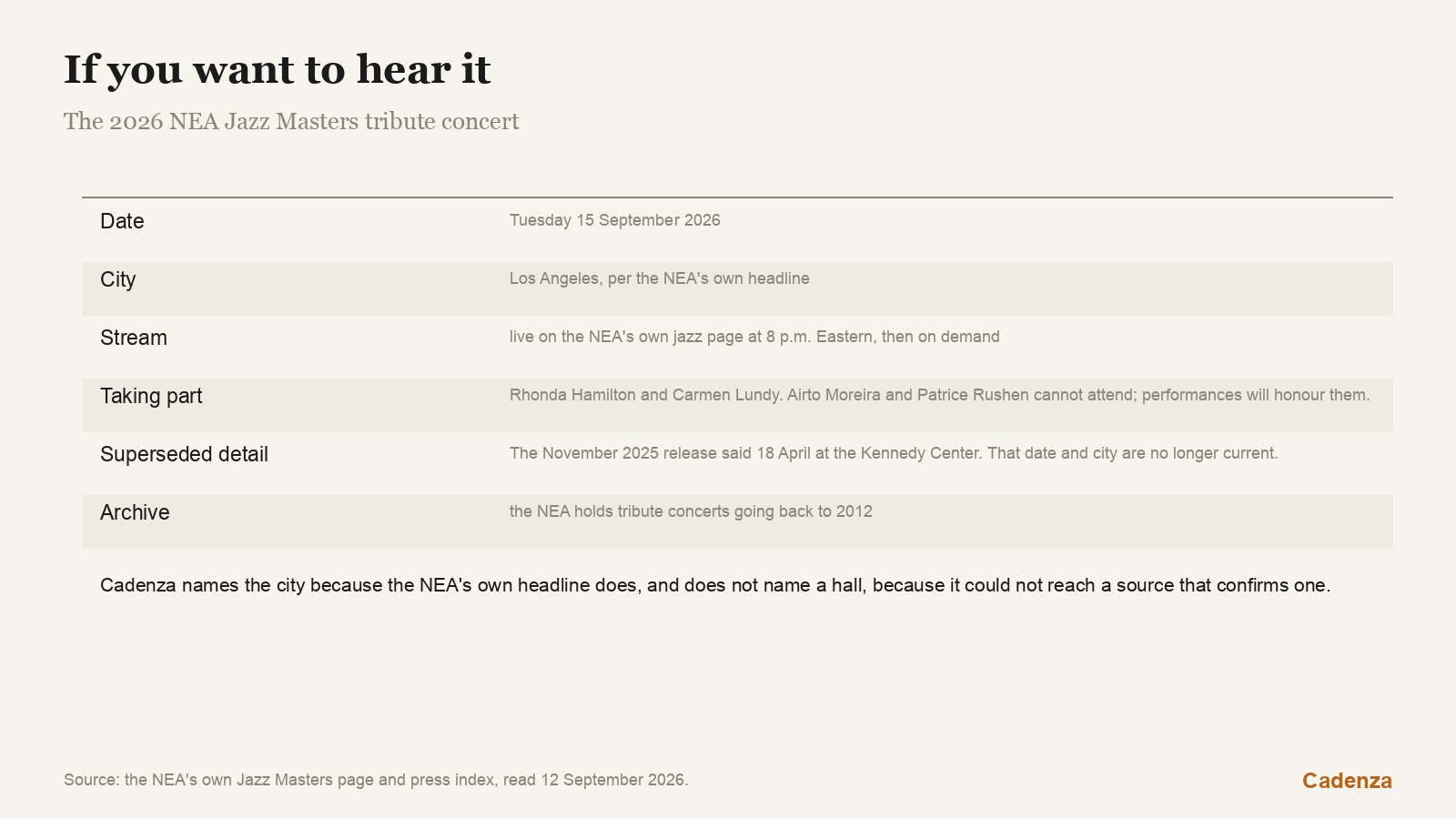
The tribute concert is on Tuesday, 15 September 2026, in Los Angeles, and the NEA streams it live on its own jazz page at 8 p.m. Eastern, with the recording available on demand afterwards.
One correction to the record, because the date moved. The NEA's original announcement in November 2025 said the 2026 Jazz Masters would be honoured at a free concert on Saturday, 18 April 2026, at the John F. Kennedy Center. That is no longer the plan. The NEA's own current pages give Tuesday 15 September, in Los Angeles. Anyone working from the original release has the wrong date and the wrong city.
Cadenza is naming Los Angeles because the NEA's own headline does. It is not naming a specific hall, because Cadenza could not reach the release that would confirm one, and a venue is exactly the kind of detail a reader might travel on.
What this says about the money in jazz
Sixteen musicians, $1.3 million, two institutions, one year.
For context on scale, the whole prize pool of the Toru Takemitsu composition award is ¥3 million, roughly a fifth of what a single Jazz Legacies fellow receives. The Premio Jaén's entire advertised purse is more than €150,000, which is less than two Jazz Legacies awards.
That comparison is not a criticism of competitions, which do a different job: they find people at the start. What these two jazz programmes do is the opposite, and it is much rarer. They find people at the end, or at least well along, and they pay them for what they already did.
Both programmes are also explicit that the recipients are still working. Mellon says the fellowship honours artists not only for their historical impact but for their ongoing creative vitality and leadership. That is the difference between a lifetime award and a retirement present.
A year ago it was a nomination form
The NEA Jazz Masters fellowships are awarded on the basis of nominations from the public, including from members of the jazz community, and the NEA publishes how to nominate. The Jazz Legacies Fellows are chosen by a panel of artists, scholars and jazz professionals.
Cadenza carries competitions, prizes and schemes with open deadlines, free to musicians, on its competitions board, and current vacancies on its jobs board.
If you want to watch. The 2026 NEA Jazz Masters tribute concert streams live on the NEA's own jazz page on Tuesday 15 September at 8 p.m. Eastern, and stays available on demand. The NEA has also said that Rhonda Hamilton and Carmen Lundy take part in the event, while Airto Moreira and Patrice Rushen are unable to attend and will have performances in their honour instead. The NEA's archive holds tribute concerts going back to 2012.
The question both funders will be asked next is the obvious one. Sixteen musicians received $1.3 million this year, and the Jazz Legacies Fellowship is only in its second cycle. Will there be a third, and how many of the musicians who need it most are still waiting?
Sources: the Mellon Foundation's own announcement of the 2026 Jazz Legacies Fellows, dated 17 February 2026, which names all twelve fellows, states the $100,000 unrestricted award, the 2025 establishment of the fellowship with Mellon funding and Jazz Foundation of America implementation, its stated purpose of addressing economic precarity, the additional professional and personal resources, and the quoted remarks; and the National Endowment for the Arts' own press release of November 2025, which names the four 2026 Jazz Masters, describes Carmen Lundy, Airto Moreira, Patrice Rushen and Rhonda Hamilton, states the $25,000 once-in-a-lifetime fellowship and the public nomination process, and gives the figure of 181 fellowships awarded since 1982. The revised concert date and the Los Angeles location come from the NEA's own current Jazz Masters page and press index, which supersede the April date and Kennedy Center venue in the November release. The totals, the per-year average and the comparisons with other 2026 prize pools are Cadenza's arithmetic.
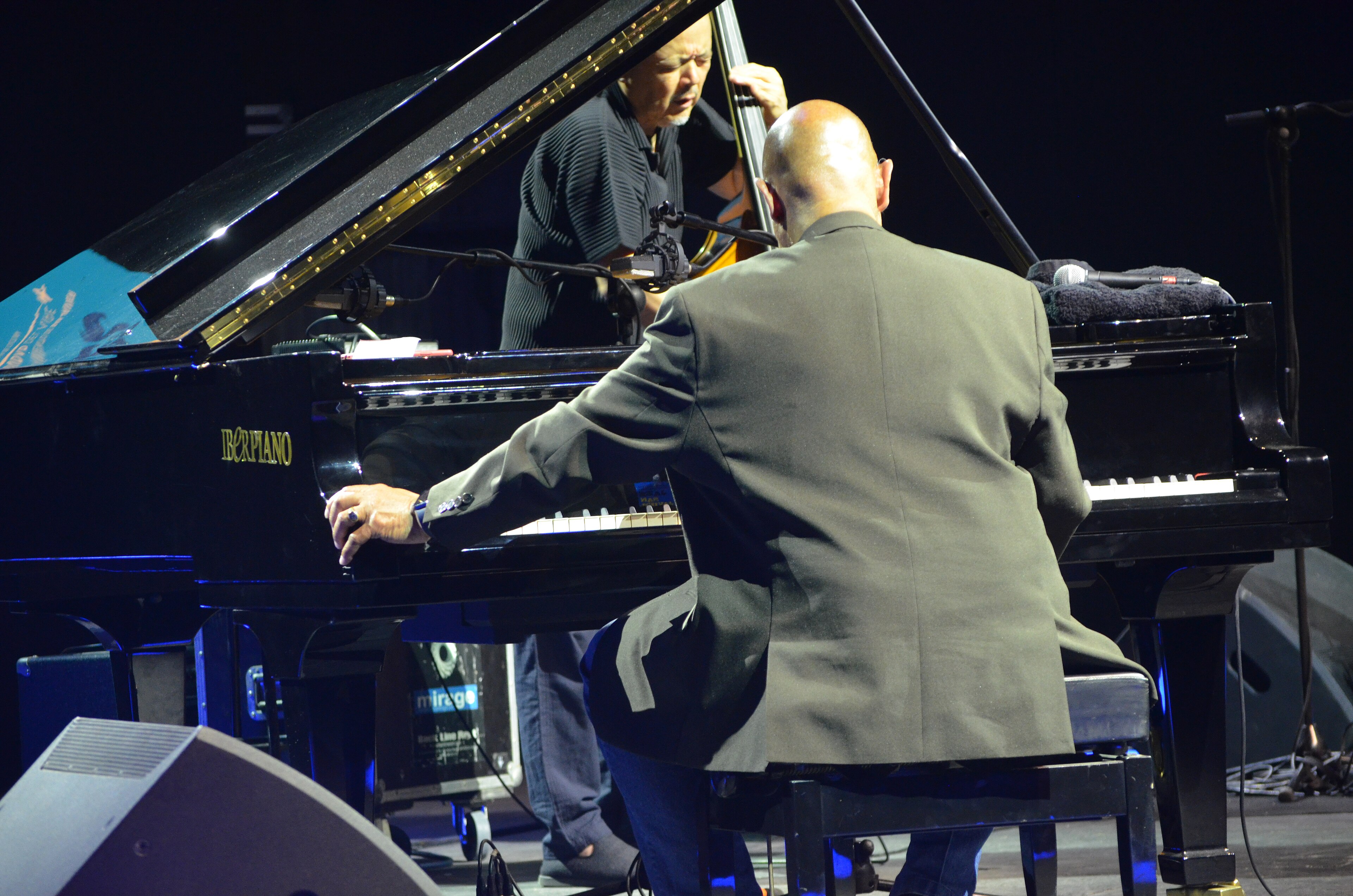
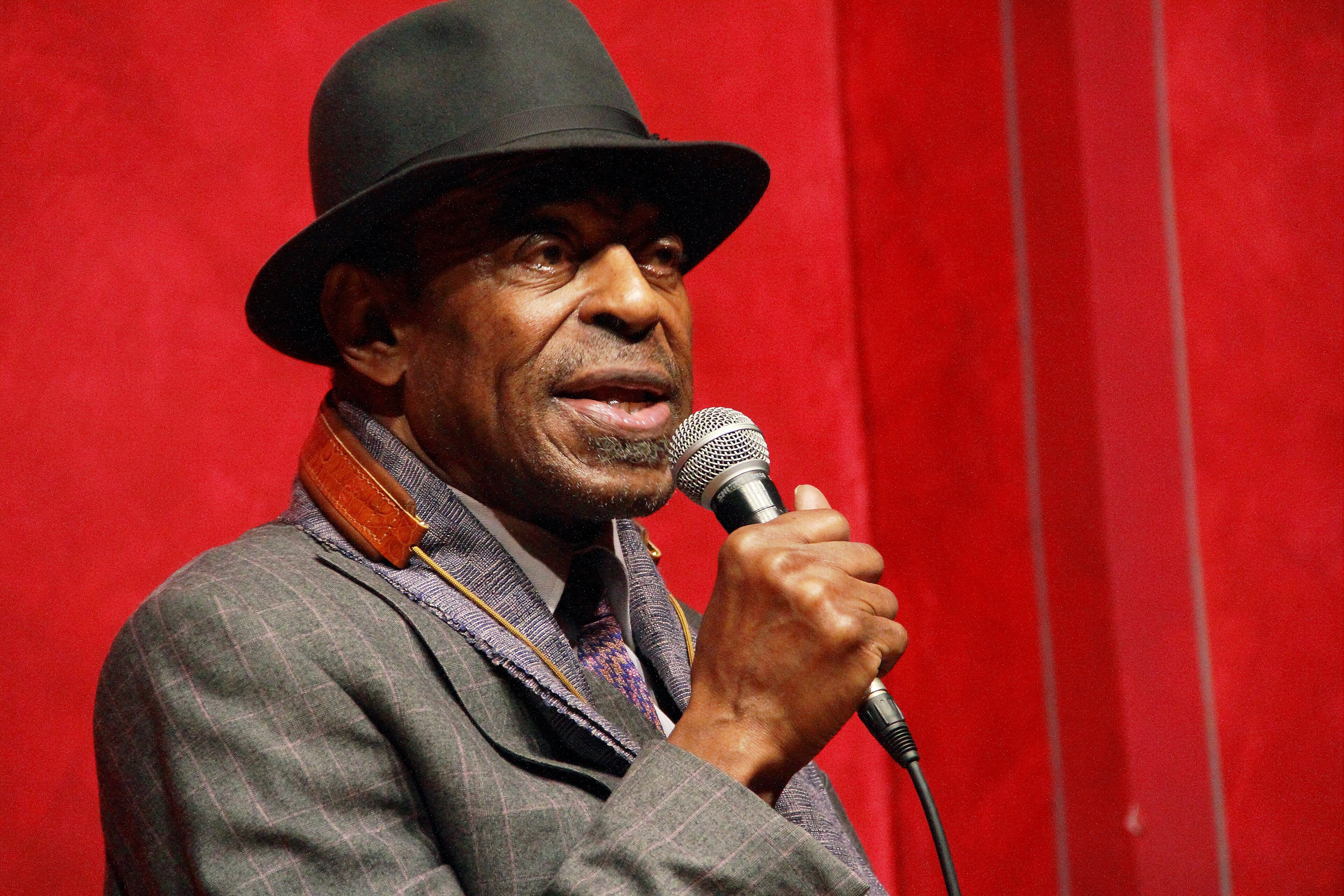
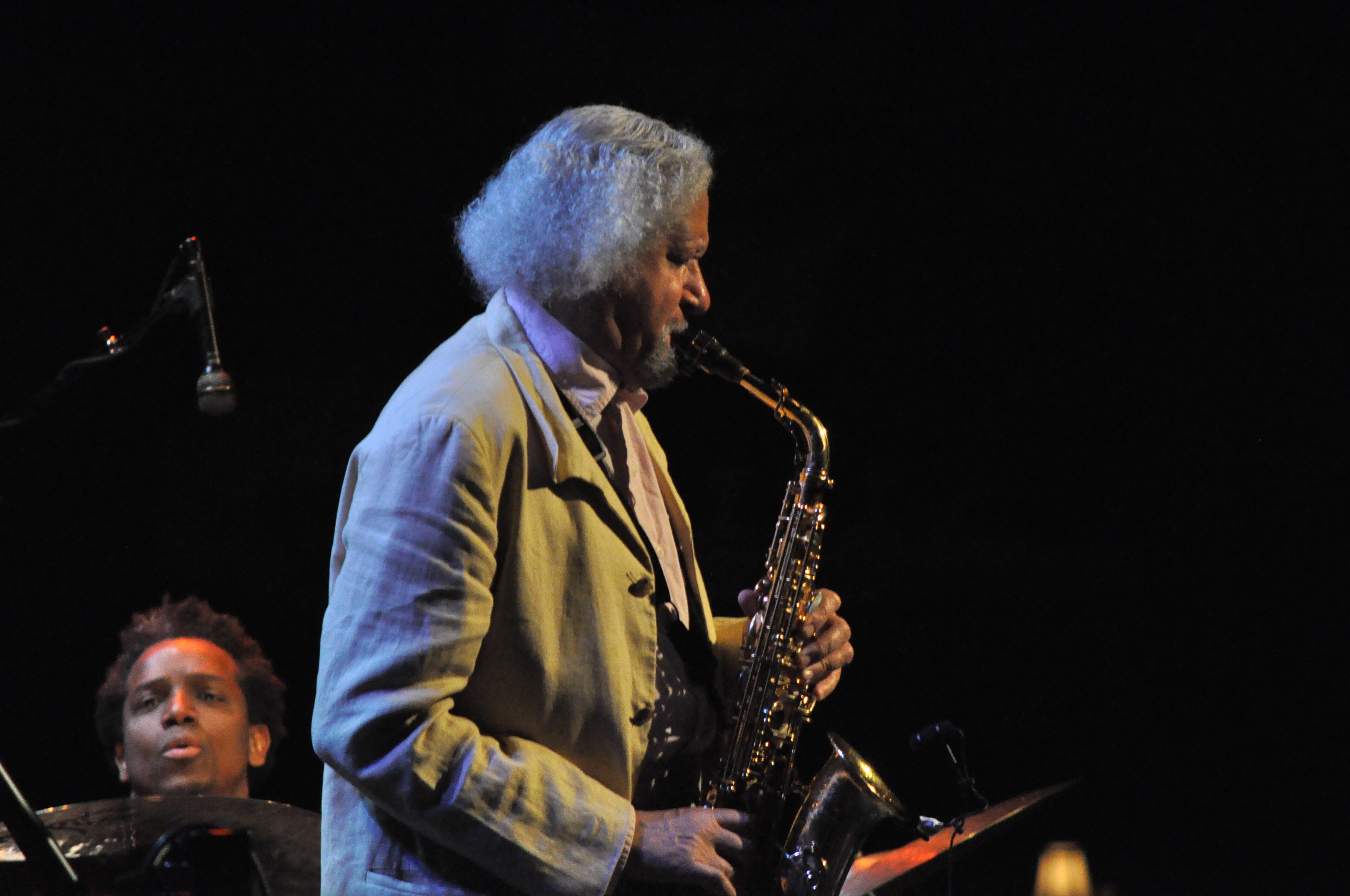
Photographs, all of musicians named a 2026 Jazz Legacies Fellow: Kenny Barron with his trio at the Festival Internacional de Jazz de San Javier, Tsaorin, CC BY-SA 4.0; Archie Shepp performing with Reggie Workman in Bad Mergentheim, Schorle, CC BY-SA 4.0; and Gary Bartz playing saxophone, Joe Mabel, CC BY-SA 3.0. All via Wikimedia Commons. Charts by Cadenza.
Cover photograph: Kenny Barron, named a 2026 Jazz Legacies Fellow and already an NEA Jazz Master, playing with his trio at the Festival Internacional de Jazz de San Javier. Tsaorin, CC BY-SA 4.0, via Wikimedia Commons.
Comments
Sign in to join the discussion.